The making of a Service Design Hero

Alberto, what do you think about the current war for talent?” a good friend asked to me.

Wow, that’s a big topic and I’m afraid although I have hired, trained and coached many talented teams in my life, I would only have a partial view on it. So, what I proposed him instead, was that I would approach his question from within my area of expertise:

1.   I would start a series describing the skills and mindset needed for several roles where I have expertise on. The first post was about becoming a “Marketing Hero”. Today I’ll be touching on what’s needed to be a great “Service Designer”, and soon I’ll be reflecting on how to become an excellent “Product Manager”.

2.   I would then try to close the loop by describing how a team of Marketers, Service Designers and Product Managers would address the global talent issue if they were responsible for it.

So, let’s talk today about “Service Design”:

No alt text provided for this image

Service Design sits within the fundamental architecture of a company

Service Design is not a function, a role or a department. It is ultimately a collective team sport where small decisions taken by many stakeholders within a company result in an experience for customers interacting with that corporation.

Eventually, in any organization, you will see there is a “Customer Experience” unit, or a “Service Design” team. Although they will play a fundamental role in shaping how a product or service is delivered to customers, the real experience that they will enjoy or suffer will very much depend on a wider stakeholders footprint. From the training that front line agents interacting with customers had, to how the payment process was wired or how human resources hired employees, all those activities will have a fundamental influence on the service the customer experiences.

No alt text provided for this image

So, what is exactly Service Design?

A service is something that your company provides to a customer to deliver value. It very often includes a core product/service which is the fundamental element of the value proposition, but has many “satellite value drivers” as great usability, streamlined payment options, excellent delivery, outstanding customer care support, fabulous onboarding, …

A first challenge that companies face when crafting a new service proposal is that they need to reflect on a few topics:

·     Who are the customers (customer base)?

·     What are the core needs from those customers (pains/gains)?

·     How those customers would like to engage with my service (channels)?

On top of that, services are made of things that customers experiment themselves, but they are also supported by a huge amount of processes that are just below the tip of the iceberg.

In this circumstances, Service Designers are the professionals at the cornerstone of service definition, from the pure customer experience perspective as well as how the company craft such a value proposition and deliver it to the customer in an efficient and effective way.

Service Design is responsible for the overall end-to-end experience that customers have over time, where bites of value are delivered along their journey.

No alt text provided for this image

You never start with an empty white sheet

Unless you are launching a company from scratch, chances are high that Service Design practice must be adaptative, playing with the existing assets and processes that the company already has.

Whenever we start thinking about how to deliver as product or service, several decisions have been made already in the company, from the organizational chart, to budget allocation or strategic initiatives definition or the culture style. All of them have a massive influence in which services can be delivered, how they are offered, and the value customers can get out of them.

Although this is quite frustrating for inexperience service designers, having some kind of restrictions very often is a nudge to creativity and great service designers embrace them as an advantage.

No alt text provided for this image

What are the building blocks of a Service?

There are five elements that define a service:

1. The “Core” Service: this is what we as a company offer, the technical characteristics of our service, the price and commercial conditions, the range,… In my view, it has three fundamental elements that a great Service Designer should address:

·     Value proposition: how our service relates to addressing the pains that the customer has or the uplift in the gains that the customer can get by using our service. (e.g. in an airline it would be for example the flight schedule or the seat comfort).

·     Quality / Reliability: how solid our service performs, how strong our reputation is, why customers should work with us. (e.g. in an airline, the punctuality).

·     Customization: how customers can embrace our service, plugging it within an existing routine, customize it to make the most out of it. (e.g. in an airline, the flexibility to change the flight).

2.   The “Delivery”: this is about how our service arrives to the customer, and very often has a more relevant impact than the core service itself.

·     Speed: how effective we are delivering the service where and when the customer needs it. (e.g. in an airline, how streamlined the checkin at the airport is).

·     Usability / Accessibility: how easy it is for customers to interact with our company and get access to our services (e.g. in an airline, how easy it is to book a flight in the website).

·     Friendliness: how we let customers feel when exposed to our services (e.g. in an airline, how responsive customer-facing staff is).

3.   The “Processes”: services do not happen “out of the blue”. There is a massive work to be done around creating an operative model that supports the value delivery.

·     Technology: which technological tools we use to operate the service (e.g. in an airline, the booking management tool).

·     Governance: how different departments interact along the customer journey (e.g. in an airline, how Handling suppliers and Ground operations work together).

·     Data: how customer information is shared among different business units to support a consistent experience (e.g. in an airline, the Customer Relationship Management CRM tool).

4.   The “Support”: no matter how strong the service design is, disruption will happen sooner than later. Internally generated disruptions are normally easier to control and manage (e.g. internal systems degradation), but there are hundreds of potential external phenomena that can impact how our service operates (e.g. weather, regulatory changes…).

·     Channels: which channels are we offering to our customers for attending them when in a disruption (e.g. in an airline, call centers, chatbots, online formularies, agents at the airport…).

·     Response time: how fast we are reacting to the disruption and offering an alternative to our customers (e.g. in an airline, accommodating customers in an alternative flight).

·     Empowerment: how easy can customers adapt the service to the new environmental conditions (e.g. in an airline, self-management tools to choose alternatives).

5.   The “Ecosystem”: a company never operates in isolation. Competition and collaboration are the bread and butter of business, and that is great because it requires Service Designers to never stop innovating and envisioning what’s next.

·     Competitors: not only the most obvious ones delivering similar services but also alternative ones competing for the same “share of wallet” (e.g. in an airline, other carriers or high-speed train providers).

·     Partners: other corporations delivering services in adjacent territories from the customer point of view that could help us to craft superior services by merging complimentary value propositions (e.g. in an airline, hotel accommodation providers).

·     Suppliers: other companies providing services that we can integrate within our core service definition (e.g. in an airline, inflight entertainment suppliers).

No alt text provided for this image

What tools do Service Designers use?

There are hundreds of tools that Service Designers can use, and I believe the most talented ones are great choosing from the whole toolkit, those tools that are more effective for the purpose. Although the service design process is iterative, there are some fundamental steps that are great to follow. The tools used for each step are slightly different, but ultimately oriented to designing the right things and designing things right:

·     Researchingcard sorting (organize content in a way that suits users’ mental models), empathy map (share key assumptions around user attitudes and behaviors), journey map (describe how the user interact with the service, throughout its touchpoints), personas (narrate the different types of users, based on clusters of behaviors and needs), stakeholders maps (identify the role of each stakeholder, and relation dynamics).

·     Ideationexperience principles (identify a set of guiding principles to inspire the design of a specific service experience), brainstorming (first diverge and generate as many idea as you can, then converge around solid concepts), evaluation matrix (prioritize ideas based on the most relevant success criteria for the project).

·     Prototypinguser scenarios (explain the envisioned experience by narrating a relevant story of use), user stories (detail the features that need to be developed in the form of user interactions), rough prototyping (quickly mock-up ideas using simple assets and materials, already available on the spot).

·     Implementationbusiness model canvas (plan and understand in advance the business model and constraints of the service you are designing), value proposition canvas (describe the value offered by the service in simple words), service blueprint (map out the entire process of service delivery, above and below the line of visibility), service roadmap (plan the service execution over time, from a minimum set of functionalities to delivering the full experience), success metrics (define a set of KPI to measure the project outcomes and service success).

No alt text provided for this image

So what skillset is needed to become an outstanding Service Designer?

Well, we have covered what Service Design is, the building blocks of Service and the toolkit that designers should master. But what makes a great designer, orchestrating all of it together?

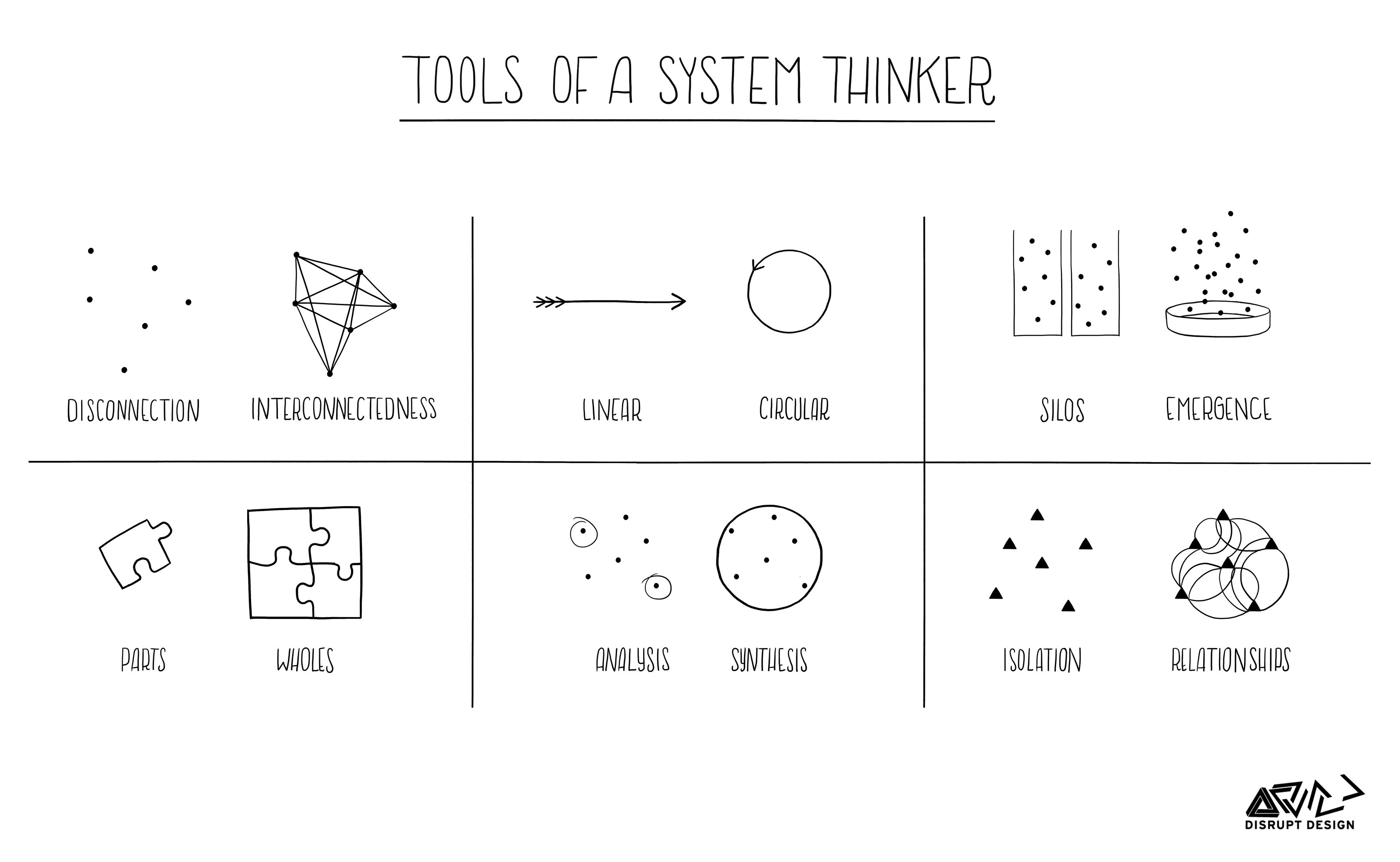
They need the capabilities to navigate the organization, diagnose the parts that are blocking a service meeting user needs, and collaboratively craft a strategy alongside domain experts on how to improve this and execute it fully.

Depending on their role within the organization (individual contributors, team leaders), the balance between different skills may vary. I would say although individuals could be spiky, teams should be well-rounded.

I will divide the skillset in four different clusters:

·     Cognitive skills: The ability to leverage user feedback in all its forms (from casual conversations to formal research) to understand how customers engage with the service, make better decisions and drive meaningful outcomes to the business. Define an overall vision of the service that connects to the strategy of the company and deliver a clear roadmap of highly prioritized features that deliver against that vision.

( System thinker / Process orientation /  Research pro / Financial literacy / User Centered Design / UX Fundamentals / UI Fundamentals / Problem Solving / Experimentation / Strategic vision / Bias free )

·     Social skills: The ability to connect with customer needs, empathizing with their pains and gains and translating them into actionable and high impact service features. Proactively identify stakeholders and work with them building services that deliver meaningful business outcomes. Manage and mentor direct reports with the goal of enabling them to continuously improve against service design competencies.

( Facilitation / Empathy with users / Story telling / Stakeholders management / Mobilization across the organization / Team building )

·     Technological skills:  The ability to understand how technology can support crafting services with a strong and positive customer footprint while they improve overall operations within the company. Embrace Data as a key element of service continuous improvement.

( Technology acumen / Data literacy / Agile software development knowledge )

·     Self-Management skills: The ability to understand and contribute to the overall business strategy, making the most out of the company assets and position Service Design as a fundamental workstream to survive under high volatility and ambiguity.

( Citizen of the world / Massive curiosity / Fast decision making / Growth mindset / Comfort with extreme ambiguity / Resilience / Results driven / Business outcome ownership )

No alt text provided for this image

Putting it all together

Well, who said that Service Design was easy? It is rare that you can find everything above in any single individual. I was lucky enough to work with a number of them during the last years, and when it happens, the progress made in an organization towards customer centricity is massive.

If you are lucky and find one of these “unicorns” ever, try as much as possible to keep it, support the development and create a cultural safe environment for them to flourish. Your customers will very much appreciate it 😉

Se cae instagram, y mi negocio

Cada vez que algunas de las redes sociales o de mensajería instantánea más grandes (Instragram, Facebook, Whatapp, Twitter,..) dejan de dar servicio, de forma momentánea, suelen ser titular de los periódicos y son el tema de conversación principal. Hemos llegado a un punto, en el que todas estas plataformas están tan integradas en nuestras vidas, y forman parte fundamental de las misma, que su caída afectan gravemente a nuestra forma de comunicarnos y a nuestras rutinas diarias

Porque una de las principales ventajas que estas plataformas aportan es la comunicación, ya sea entre individuales, entre marcas o la combinación de todas estas. Esta comunicación instantánea se ha vuelto fundamental en nuestro día a día, ya sea con nuestros familiares y amigos (Whatapp), o como medio de interacción con empresas y marcas (Instragram o Whatapp). La digitalización ha hecho que estos nuevos canales tengan una adopción enorme, y su utilización incluso desbanque a muchos de los medios tradicionales. Cuantos negocios, por ejemplo, proporcionan una linea de Whatapp como medio de interacción, en muchos casos al rededor del servicio de atención al cliente (no en vano es una de las funcionalidades mas requeridas cuando se habla de marketing automation)

Por lo tanto, la caída de estas plataformas, afecta a muchos de nuestras comunicaciones diarias (no podemos reservar cita en el taller, hablar con nuestra pareja, pedir el reembolso de un billete de avión, o mirar el seguimiento del pedido realizado en una tienda online). Pensamos que la caída de las redes social afecta a los influencers y a los jóvenes que intercambian fotos, pero el impacto es mucho mayor. Las cifras que se manejan en este mundo son muy grandes, y hace mucho ha dejado de ser la plataforma para compartir las fotos del verano con los amigos. Muchos negocios dependen de estos canales.

Si miramos el impacto, creo que podemos dividirlo en tres:

  1. Los pequeños comercios (sin ubicación física), que en muchos casos, apuestan casi toda, o toda su estrategia de comunicación y marketing en estas plataformas, por lo que la caída de servicio de las mismas supone la perdida de comunicación con el mundo físico . El impacto va desde la perdida de posibles nuevos clientes, hasta la frustración de los existentes en caso de transacciones pendientes, ya que durante esa caída de servicio no podrán tener información sobre los mismos

2) Grandes y medianas empresas, que apuestan por estos canales como medios de comunicación e interacción con sus clientes. Su impacto, en cifras absolutas es mayor que el caso anterior, pero mirándolo de forma porcentual, posiblemente tenga un menor impacto. Al contar con estas plataformas como canales, y no cómo único soporte del negocio, estas empresas no quedaran desconectadas del mundo. Todavía pueden interactuar por otros canales (teléfono, email, presencial,) incluso dar explicaciones de lo ocurrido y proponer alternativas y soluciones.

3) Anunciantes, instagramers e influencers, cuyo modelo de negocio trata de monetizar las audiencias en estas plataformas, desde diferentes puntos de vista. En este caso, cada minuto sin visibilidad y conexión son minutos de perdida de negocio. Estos canales se han vuelto el sustento único de estos negocios.

La gran diferencia entre el primer y el tercer caso es que los últimos han conseguido crear un modelo de negocio alrededor de la plataforma, y los primeros utilizan la plataforma como canal único de interacción, pero podrían utilizar canales adicionales sin cambiar el núcleo de su negocio. Esto les hace menos vulnerables a caídas de servicio de estas grandes plataformas, sí diversificaran la atención que dan a los diferentes canales digitales.

El impacto de negocio como podemos ver es muy diferente caso por caso. Lo que esta claro es que las redes sociales se han vuelto imprescindibles, y son una fuente muy grande de ingresos para muchas organizaciones. Por citar otro ejemplo, Facebook, Linkedin y otras establecieron formularios para que las empresas generar leads de negocio. Esta táctica, en ciertos sectores y ciertas geografías esta teniendo una éxito terrible. De hecho, esta tecnología se ha replicado para poder recaudar fondos por parte de las ONGs. Otro ejemplo del impacto económico en cadenas de la caída de una red social.

En muchos casos como los que hemos mencionado, el problema esta en la falta de diversificación de la estrategia digital, y en otros en que el modelo de negocio solo gira alrededor de la red social. Pero debemos añadir un nuevo viejo dilema que es la confianza que esta generando estos gigantes tecnológicos. Ya hace 3 anos que el fundador de Facebook, Mark Zuckerberg, se presento delante del senado para aclarar ciertos asuntos de prácticas sospechosas en el tratamiento de datos. Pero estos incidentes no han cesado, de hecho las redes sociales no han hecho mas que profundizar en esta forma de monetizar sus mayores valores (los datos de los clientes) produciendo muchas dudas sobre su ética y sobre la confianza que generan en la sociedad. Las redes sociales tienen un problema claro de confianza, y la caída de sus servicios no ayudan mucho. Aunque hechos aislados, o aparentemente así parece, no deja de dará una impresión a los usuarios. Las empresas y marcas deben pensar con cuidado en su estrategia, y ver cómo pueden minimizar riesgos (reputacionales y de negocio) asociados a la operación diaria de las plataformas.

En la mente del consumidor

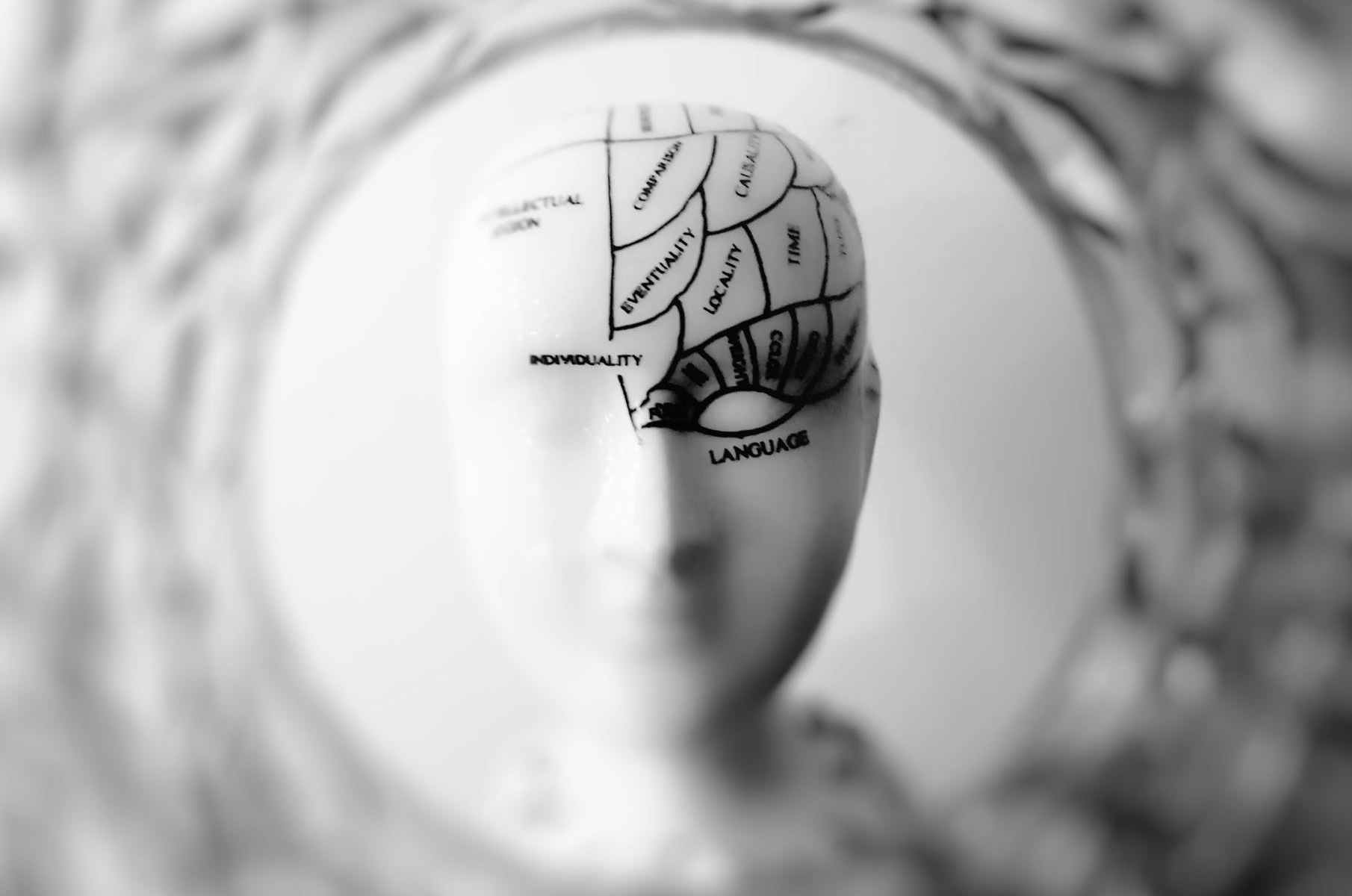
El consumidor tiene ante sí una cantidad enorme de opciones. No solo opciones de marcas, productos o soluciones, sino que otros tantos parámetros tienen que estar en la ecuación del proceso de toma de decisiones, tales como contexto personal y social, situación económica, estado anímico del comprador,… La toma de decisiones es uno de los procesos más complejos y donde muchas ciencias han intentado estudiarlo por diferentes lado. No solo el marketing, sino también la psicología y las neurología.

El proceso de toma de decisiones esta influenciado por multitud de factores, tanto internos como externos. Desde los departamentos de ventas y marketing de las empresas, se intenta influir en todos los que se puede, pero para eso hay que intentar entender la mente del cliente. Y digo cliente, porque otra de las grandes diferencias es el proceso en el mundo B2B y B2C..Durante años se han intentado igualar, pero cada uno tiene peculiaridades muy particulares que hacen que sea muy diferentes.

B2B

Empresas que venden a empresas. Se trata de un proceso no linear, donde existe normalmente un grupo que toma la decisiones, y unos influenciadores de la misma, donde cada uno de estos individuos pueden tener ideas diferentes (incluso contrapuestas) o incluso estar en estados (y es donde deben jugar un papel fundamental los responsables comerciales de grandes cuentas). Los responsables comerciales y de marketing intentan siempre acceder a los decisiones de la decisiones, pero no deben olvidar la importancia o el papel que pueden jugar otros individuos sin poder de decision, pero con un papel muy relevante. Suelo poner el ejemplo del becario o especialista junior al que se le encarga un estudio, o informe sobre ciertas tecnologías, siendo este el resultado el análisis técnico que se vaya tome como final en la decisión. Sien embargo, a esta persona o equipo de personas, las hemos olvidado desde el punto de vista comercial, dejando una gran parte del proceso sin ¨controlar¨

Se han desarrollado muchas metodologías de ventas, y en el lado del marketing una de las que mejores resultados esta cultivando es el ABM (account base marketing). Siendo el gran secreto tratar a la empresa cliente como un conjunto de individuos, cada uno de ellos con sus necesidades y objetivos , y no como un gran ente heterogéneo.

B2C

Las organizaciones que venden e interaccionan directamente con clientes finales. La complejidad del proceso en la toma de decisiones en este caso viene porque, de momento y afortunadamente, las empresas no controlan todas las variables, aunque sí intentan influenciar. La importancia de los colores, sonidos, música, palabras utilizadas, tonos de voz, van mucho mas allá de anunciar nuestros productos, sino intentar afecta en las sensaciones del consumidor para poder controlar esas variables externas.

Muchas han sido las ciencias que se ha interesado por este campo. La psicología y neurología son algunas de las grandes aliadas del marketing en este campo. De hecho se ha creo el neuromarketing, como respuesta al estudio de estos complicado ejercicio. Es un campo muy nuevo, con mucho por explorar y con grandes retos. Algunos de ellos ético, ya que aunque la tecnología puede ayudar en mucho, podemos llegar a meternos en terrenos donde no queremos (como ya hemos empezado a ver con muchos medios digitales, y la privacidad de los datos)

La toma de decisiones es un campo muy amplio, en el que creo deberían intervenir varias disciplinas. Soy un gran defensor de las famosas STEM (Science, technology, Engineer and Maths), pero creo también, como sirve esto de ejemplo, que sin la colaboración de las ciertas especialidades humanísticas como la filosofía o la psicología, el alcance y el impacto será mucho mas incierto. Creo que no tiene discusión la alianza que crea el marketing con las artes plásticas (diseño, creatividad, …) En el caso de la toma de decisiones, el análisis biológico y mecánico del cerebro, tiene que ir acompañado de conocimiento por la forma de actuar del ser humano (psicología) y una discusión a más alto nivel (filosofía) .

Por otro lado, como empresa, debemos mirar siempre por el cliente, y la famosa cultura customer-centric nos ayudará en esta misión. En repetidas ocasiones hemos hablado de la utilidad de la herramienta del customer journey. Esta herramienta, pretender conectar todo los puntos de interacción entre un cliente y una organización. Este proceso intentará reflejar como es el proceso de decisión de un cliente, y qué acción puede iniciar la empresa para poder influir en el resultado final. Esta herramienta, es perfecta, ya que permite moldear este proceso, de una forma iterativa, reflejando no sólo los momentos de interacción, sino también identificar cúal son los sentimientos y objetivos de cada uno de los actores involucrados.

A lo largo del texto se ha mencionado la complejidad de este proceso, y por ese motivo, los datos con los que tenemos que contar a la hora de analizar y modelar este procesos, debería proveer de diferentes fuentes de datos posibles y disponibles en la organización, de forma que podamos tener esa visión del cliente lo más completa posible. En anteriores ocasiones hemos hablado de la importancia de contar con atributos de comportamiento y de otra índole, mas allá de los sociodemográficos cuando trabajamos con segmentación, y el motivo es intentarán reflejar esta complejidad. La mente humana es uno de los órganos mas complejos y menos conocidos por la ciencia actual. Por este motivo, aplicando criterios simplistas en nuestras iniciativas de segmentación y personalización nunca conseguiremos los resultados óptimos. Intentar tener esa visión completa (lo que influye en la estrategia de datos corporativos) será vital. Por supuesto nunca vamos a conseguir replicar todas esas variables con las que un ser humano cuenta, pero nos acercaremos más.

Tanto en los modelos B2B como en los B2C, se habla mucho del funnel. Esta es una representación gráfica de los diferentes estados por los que pasan los clientes antes de tomar una decisión, en este caso de compra. Dejando aparte las discusiones sobre la validez o no de este funnel (en muchos caso no es linear, sino circular, y en el mundo B2B es amorfo, ya que el funnel debería ser la combinación de los procesos de decisión de todos los decisiones y influenciadores). Por otro lado tenemos que tener en cuenta que hay ciertos artículos que consumimos de forma impulsiva. Existen muchos motivos, y la diferencia entre el sistema 1 (rápido) y sistema 2 (lento) se puede ver detallado en el magnífico libro de Kahneman. Piensa en cuándo compras chicles en el supermercado, patatas fritas en una gasolinera, o cualquier otro producto de las góndolas de cabecera del lineal de cajas de cualquier establecimiento. El proceso es muy diferente, a cuando nos vemos inmersos en la compra de una casa, coche o un articulo de alto valor.

En esta compleja tarea de los equipos de marketing y ventas se emplean muchas y varias técnicas. Podemos hablar del Social selling en el mundo B2B, podemos hablar del neuromárketing al que todos nos vemos expuestos. Uno de los ejemplos que seguro que has experimentado, o has oido hablar es Abercrombie. Las tiendas de este grupo textil son shows. Siempre recordaré la primera vez que visite una de sus tiendas en New York cerca del año 2006. Ya había oido hablar de los productos, incluso había visto sus camisas, polos y otros artículos. El diseño está optimizado para el segmento de clientela que desean. Pero entrar en la tienda es una experiencia. Música del momento (a un volumen alto, para oírla de verdad), el aroma de sus fragancias impregna no sólo la tienda, sino los alrededores, los dependientes y dependientas son auténticas imágenes de marca,..Es decir, se trata de una experiencia de cliente que abarca todos los elementos en una historia consistente.

Cómo hemos mencionado varias veces, la innovación debería ser parte de la cultura (y por lo tanto de la forma de gestionar una organización). Bien aplicada al customer journey, nos ayudará a experimentar, hasta que consigamos conocer mejor el proceso de toma de decisiones de nuestros clientes, y por tanto tener unos resultados mucho mejores en las iniciativas que lancemos.

Ser ágil para crear silos

Muchas de las grandes quejas de empleados de grandes organizaciones suelen ir dirigidas en la misma dirección: ¨No somos rápidos, las decisiones tardan mucho en tomarse, trabajamos en silos,..¨ En muchos casos se debe a la cultura corporativa, y el cambio requiere mucho esfuerzo y tiempo para llegar a cada uno de los individuos. Sin embargo, en otros casos, son los propios empleados, aquellos de los que salen las quejas mas profundas, donde esté el origen de estos problemas.

Es cierto que el campo del marketing es un mundo muy dinámico, que requiere mucha agilidad, que requiere rapidez de respuesta, y se necesitan datos. Cuando necesitamos lanzar una comunicación, necesitamos obtener datos de diferentes fuentes, para poder generar nuestra segmentación y las audiencias a comunicar. Inyectar todos grupos, junto la comunicación en una herramienta, y lanzar la comunicación lo antes posible. Piensa en los eventos que han podido surgir últimamente a nuestro alrededores, y donde tu empresa ha tomado parte de alguna forma (Explosion del volcán de la Palma, La tormenta de nieve de Filomena, el Covid, respuestas a acciones de competidores, subidas en la tarifa de la luz, cambios de restricciones de movilidad en el contexto de la pandemia,..)

El corazón del marketing deberían ser los clientes de la organización (¿has oido hablar del customer-centric alguna vez?), y eso requiere responder a la máxima velocidad posible a las diferentes interacciones existentes. Aunque en el párrafo anterior nos referíamos a eventos puntuales excepcionales, debemos contemplar interacciones diarias y habituales (preguntas sobre precios, condiciones de compra, muestra de interés, respuestas a post en redes sociales,..). Como clientes y usuarios requerimos información y servicio en tiempo real (recordemos como han cambiado el paradigma Netflix, Uber, Glovo, Spotify y otras plataformas en cuanto a experiencia de usuario se refiere)

Todo aquel que haya trabajado en una gran corporación ha sufrido de la lentitud o exceso de procedimiento. Crear una comunicación o una nueva campaña, que sea sencilla, puede que no requiera tanto tiempo, pero necesitamos pasar por los procesos de aprobación de presupuesto, priorización de esta campana frente a otras de otros departamentos, conseguir que IT configure la plataforma con nuestros requerimientos,..Todo esto puede llevar a la desesperación y a la búsqueda de soluciones rápidas para la resolución de este problema lo antes posible.

Acceder a proveedores de servicios no ha sido nunca tan sencillo. A base de un par de clicks, podemos obtener servicios como los que buscamos, podemos crear cuentas en plataformas digitales nuevas y acceder a nuevas capacidades para nuestro equipo. Esto, sin duda alguna puede solucionar los problemas de los que nos quejamos, pero ¿en qué lugar queda el cliente en este caso?

Es cierto que cuando pensamos en recurrir a una solución de este estilo, normalmente lo hacemos pensando en que el cliente necesita esto ya, y no podemos esperar a la burocracia de nuestra organización. Sin embargo, la próxima vez que necesites datos integrados de tus clientes, ¿van a estar disponibles? O ¿sabemos qué otras comunicaciones están recibiendo nuestros clientes en ese mismo momento, siendo otros equipos o departamentos los emisores? ¿Dónde queda el famoso customer journey integrado? Estaremos dando una solución a un problema puntual, pero sin tener en cuenta la solución global.

Algo parecido paso hace alguna década, cuando se acuño el termino de ¨shadow IT¨¨, que se refería al concepto de cuándo un equipo de negocio montaba su propia infraestructura tecnología para dar servicio a su propio equipo. Esto generaba problema de seguridad de datos, duplicidad de costes, e información en silos que dificultaba tener la visión completa de un cliente. Algo parecido se está viendo ahora con la aparición de todas las plataformas digitales, con las que es tan sencillo abrirse una cuenta y empezar a operar, o herramientas de ¨no-code¨ que tanto éxito están teniendo.

Obviamente, no es que están tecnologías sean malas, sino que su uso sin pensar más allá de nuestro equipo genera los problemas de los que nos quejamos. Por lo tanto, lo que hay que solucionar, es conseguir cambiar la forma de trabajo de nuestra organización para que podamos tener cubiertas nuestras necesidades (piensa en datos para segmentación, capacidad de computación para ejecutar modelos de predicción de patrones de comportamiento del cliente, envío masivo de comunicaciones, seguimiento y medición de los resultados de nuestras actividades, automatización de procesos..). La falta de acceso a estos servicios no es porque no exista la tecnología, sino porque nuestra organización no esta preparada para atender a toda esta demanda. Es necesario cambiar la forma en la que dotamos a la organización de nuevas capacidades, para que el cliente no tenga impacto (¿cuántas veces has tenido que contar el mismo problema, cuando llamas a una empresa. O cuantas veces te has quejado amargamente sobre un servicio recibido, y estas recibiendo información comercial sobre el mismo servicio?)

Buscar parches a nuestro problema puntual puede hacer que sigamos generando los mismos problemas de los que nos quejamos. No debemos conformarnos con lo que tenemos, y esperar a que la burocracia haga su labor. Cambiar la forma en la que trabajamos, innovar es lo que nos hará avanzar más rápido. Los departamentos técnicos tienen que poder dará cobertura a todos los equipos de la organización, de forma más rápida y eso requiere una nueva forma de trabajo. Requiere poder replicar soluciones existentes, elaborar pilotos y expandirlos a más velocidad, y ser capaces de proveer de la información necesaria (cumpliendo con todas las medidas de seguridad) para la ejecución de tareas.

Como podemos imaginar no es una tarea sencilla, y de ahi la necesidad de tener equipos cros funcionales que participen en todos los proyectos, la necesidad de poder priorizar actividades (saber que poder dejar de hacer, para favorecer otra actividad), y sobre todo tener la certidumbre de que lo que estamos haciendo está alineado con la visión corporativa y todos los equipos estamos remando en la misma dirección.

Airline Innovation Talk with Alberto Terol Conthe, Head of Customer Experience Design and Development at Iberia

( This is a transcript of the podcast from Diggintravel, by Iztok Franko https://diggintravel.com/airline-innovation-talks-iberia/ )

«What does windsurfing have to do with Marketing and Innovation?»

My friend Iztok Franko started his last podcast with quite an eclectic and inspiring question.

I had a great experience talking to him about my vision as a #Marketing#Strategy and #Innovation proffesional.

If you want to listen to it, here is the link: https://lnkd.in/guENe96M

Some frameworks that we were discussing were:

* Effectiveness / Efficiency
* Real / Win / Worth
* Design the right things / Design things right
* Value creation / Value delivery
* Experimentation / Exploitation

Thanks a lot, Iztok, for challenging me with such though provoking questions

*******************************

“Iztok, I love your new podcast series. You had an airline digital talk. Then you did an airline data talk. What’s next?”

This is what somebody asked me recently on LinkedIn. For me, the next step was obvious: next in line was an airline innovation talk.

Why an airline innovation talk? Because recently when I was thinking about innovative solutions, I started to think, where does innovation really happen? Can you point a finger at one department, one area in a company? Are innovation departments the solution?

In my opinion, innovation happens when you combine insights from different areas and different people: data and analytics, digital experience, UX/UI, experimentation, customer research, customer service, product design, etc. To do innovative things, one needs to know all these areas and understand how they fit together. You need to know how to leverage insights from these areas to understand your customer’s pain points and build innovative solutions to address those needs. And this is what marketing should be all about: how to provide value for your customers.

As I was thinking about all these things, I remembered a great post about marketing and innovation I read a while ago. The article was titled “Marketing Hero“, and it was written by Alberto Terol Conthe. So, the guest for our airline innovation talk was a no-brainer.

Airline Innovation Talk with Alberto Terol Conthe, Head of Customer Experience Design and Development at Iberia

Marketing (Value) + Innovation (Creation)  = Value Creation

Alberto opened his article with one of my favorite quotes by Peter Drucker: “Business has only two basic functions, marketing and innovation.” So, my first question for him was, how do marketing and innovation fit together?

I always have thought that they are all together. I’m a marketeer. I started as a marketeer at 3M. Previously I was working in Accenture consultancy as well. But I would say my main business school was marketing, and then moving into innovation, I think they are very close fields. I tend to think marketing is about value, is about understanding customer needs. It is part of the discovery, the research, and understanding the pains and gains of the customer, and innovation is more about creation – bringing some new ways of doing things and new processes and new technologies.

If you put them all together – value creation, marketing, and innovation – they go so well together. It’s turning an idea based on some customer pain or gain into a solution and executing it and providing value from the customer perspective. So they go together. And I think the skills of good marketeers and good innovative people are quite similar. They are around curiosity, questioning everything, bringing the what and the how and the when and the why to every conversation.

Alberto mentioned that execution is an important element of marketing. Recognizing your customer pain points and figuring out innovative solutions is not enough.

I think a fundamental element, as well, of marketing and innovation is the execution. I have had a lot of discussions with certain designers and people from innovation like, “We created this beautiful PPT, and now it’s a matter of the execution team to execute.” My point is that unless a product or a service is crafted and then deployed into the market and it’s being consumed by a customer, there is no success at all. It’s just an idea.

In Successful Companies, Innovation Sits Very Close to the Business

The way Alberto talked about marketing and innovation made a lot of sense to me. But what I see in most companies, especially the big ones, is that marketing is still mostly about advertising – or, in the digital marketing case, it’s mostly about taking care of the website, ecommerce, and digital advertising. Why do we often see a separate innovation department?

I think marketing is very wide. My background is product marketing. You mentioned all the branding and channel management and stuff, and that’s part of marketing. But maybe what I would compare more between marketing and innovation is product management. There, I think it’s very close to each other.

Another example I would bring to you is that I think innovation teams in large companies sometimes are located in the HR people area because of all the change management needed and all the transformation efforts and so on. I think sometimes, very frequently – and I think nowadays even more frequently – they belong to the IT and technical organization, because it’s very much leveraging technology.

Alberto has recognized a pattern when it comes to innovative companies:

The examples I have seen as more successful normally are those in which these companies put the innovation function – the initial innovation function, because I think it has to embrace the whole organization – but let’s say the team mobilizing innovation from the very beginning sits very close to the business. Therefore, again, I see the link between marketing – which for me is value creation and value delivery, which is basically business – very much related to innovation.

Doing The Right Things Vs. Doing Things Right

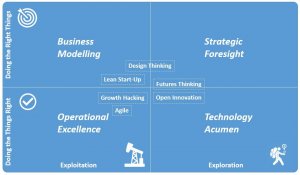
One other part of Alberto’s article that I really liked was the distinction between two key areas of marketing. One is execution; Alberto calls it “doing things right.” The other part is more about forward-thinking, strategic foresight, and business modeling, and that’s what he calls “doing the right things.”

That’s a sentence [distinction] that we use very much in our service design team. I think both steps are needed. It reminds me a little bit of the Double Diamond in service design, the divergence and then the convergence. I think these two elements – designing the right thing, for me it belongs more to marketing. It’s discovering the underlying customer need, the pain, the job to be done, and so on. It’s designing the right thing.

Airline innovation and marketing framework

Source: Alberto Terol Conthe (LinkedIn)

When it comes to figuring out what the right thing is, Alberto mentioned an interesting “Real, Win, Worth” framework.

In 3M we had a heuristic that we used very frequently in designing the right thing, which is Real, Win, Worth. Every time we wanted to address if an opportunity was worth it for 3M, we would first envision if it was real, if there was a market, if there was a customer pain or need to be addressed. Is this opportunity real? The second one was, can we win? Do we have the capabilities in our company to achieve a successful business out of this opportunity? And the third one would be worth. Is it worth it, or would it be so costly or I would have to hire talent that I don’t have? Okay, so there’s opportunity, we could potentially win it, but it’s not worth it. Or it would not support our strategy or whatever. So for me, that’s the designing the right thing – deciding what you’re going to design and what’s out of scope as well, which is also very important.

And then we moved into designing things right. There is more the world of service design, designing a product and service that matches those needs that you have discovered in the designing the right thing. It has much more to do with UX, UI, choosing the right platform for delivering that product or service, choosing the right partners. It’s more the delivery part of the value. You can be very strong in value creation, but you can be very poor in value delivery. Again, execution becomes fundamental in the second part. We always, as service designers, try to keep both areas balanced – designing the right things, choosing the right fights to fight, but then deciding something that was worth it for the customer and appealing.

Top-Down or Bottom-Up?

To me, this concept of doing the right things and doing things right was really interesting. My background, my experience, and also our Diggintravel Airline Digital Optimization research is more about doing things right – how to be agile, how to do growth marketing, how to do digital optimization and conversion optimization. But if you do systematic digital optimization right, with agile loops of analyzing customer needs, managing data, doing structured analytics, trying to find solutions and designing digital products to address those needs, you’re basically moving up to doing the right thing. So, I asked Alberto: how are these things connected?

It’s iterative. You could eventually start defining an arena that you want to fight for. That’s the design the right thing. Then you move into design things right, and then you discover that it’s impossible to deliver value in that field. Then you may decide to reassess if you are fighting for the right opportunity, or you could move into an adjacent opportunity or so on.

I think it’s an iterative process, and moreover, I think when you launch a product – and this is something we very often forget as service designers; we forget about the product when it’s being delivered. I think especially in those first weeks and months and even years after the launch, they should be in hyper-care, and we should be reconsidering every time, every week, following the KPIs, the metrics, and improving the product.

Alberto recognizes the value of applying the principles of experimentation and being agile to the overall business model and overall products, not just the digital side.

I had once a boss that always came with the question, “Are you 100% sure that this product will be successful?” I said, “Come on, I’m not, but this is the Pareto principle. I’m pretty sure that’s the case. I would say I’m 80% confident that it’s the right product for the right market segment. But let’s launch and let’s learn on the go and adjust and adapt.” So I’m very fond of experimentation and agile launching of new products. Otherwise, it’s paralysis by analysis.

Finding new solutions versus optimizing existing ones

A systematic loop of digital optimization is great for incremental improvement, but you have to know whether you’re optimizing the right things.

I think the other element – because you start with A/B testing and improving and these incremental improvements – the reason I was mentioning that designing the right thing is so important is because very often, especially these days, there’s obsession with efficiency. “We have to deliver efficiency gains.” My point is that there’s nothing so useless as doing something very efficiently which is not usable at all, or that we shouldn’t have done at all. We can be executing something beautifully, it’s very efficient, but there is no customer need or there is no market to be addressed. I think therefore we need to keep balance on both aspects.

But experimentation, rapid prototyping and so on – in fact, we had a discussion earlier this week about prototyping. We were discussing research and we want customer research in which we would envision what customers want for a specific product segment. My point was that customers would never come with a solution. That’s the job of the product owner, of the marketeer. Eventually, by prototyping and showing them some mockups, we can show them, “This is the size and the color and the shape that this would have. Are we working in the right direction, or is this something that doesn’t resonate with you at all?” I think all this rapid experimentation makes perfect sense with any product launch.

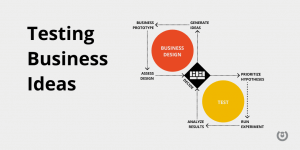
Connection between design thinking and experimentation

Source: Visual Summary of “Testing Business Ideas” by David J Bland and Alex Osterwalder

Innovation Is More About Attitude and Culture Than It Is About Skills

One of the key insights Alberto shared in our airline innovation talk was in regard to his key learnings. The first thing he mentioned was attitude:

I thought that innovation was more about skills. I think over the years, I’m discovering that it’s far more about attitude. That’s the approach when I’ve been hiring marketeers in 3M, or now service designers at Iberia: bringing people with curiosity, with this sense of observation, with customer obsession – and when I say customer obsession, it’s spending a lot of hours with customers, interacting with them. Not focus groups, which is a controlled environment, but observing customers dealing with our products and services.

Then Alberto mentioned another interesting aspect of innovation and culture.

I would say another totally different topic which is relevant for progressing with innovation in companies is how managers get measured. Maybe in the vision statement in a company, it says that “we would like to be the most innovative.” Okay, let’s go into the KPIs that managers are using. Are they being measured by the business as usual or by exploring the next big thing? Very often, that tells you the culture of innovation which is happening in the company.

I mentioned culture. For example, something I loved about the American approach to innovation – and I experienced that in 3M, but I’ve been talking with friends from HP, Salesforce – I think in American corporations, there’s emotional safety within the teams for putting some time for exploring and trying to discover things out of business as usual. The famous rule of the 15%. There are many different mechanisms for making the teams work on something which is enriching the total knowledge within the company, and they can openly share their findings, and mistakes are allowed and so on. That cultural aspect is fundamental as well.

Olvídate de enviar una newsletter

Las newsletter son para el email marketing, lo mismo que el volante en los coches. Se trata de un elemento principal, que cualquier organización con una estrategia de marketing digital, y algunas pocas herramientas tenía en marcha para informar a sus clientes de diferentes novedades. Sin embargo, debemos plantearnos su utilidad actual.

Existen varias discusiones en este mundo, que debemos juntar para poder tener una visión más amplia y poder responder a todas estas dudas que surgen.

Por un lado está la pregunta de la efectividad del email marketing. En este mismo blog hemos hablado varias veces de este tema (link). Aunque, mas allá de nuestra opinión, siempre hay que contrastarlo con datos. Existen multitud de estudios y cifras publicadas al respecto. en la web de una de las empresas que se dedica a publicar benchmarks y estadísticas, podemos encontrar este Link. Simplemente con una ojeada podemos ver que las cifras del email marketing en general pueden ser mucho mas rentables que otros canales (comparando coste, con beneficio e impacto). Podríamos discutir largo y tendido, pero creo que con estas cifras en las mano, podemos decir claramente que el email no esta muerto ni muchísimo menos. Habra segmentos de la población, o ciertas situaciones que requerirán de la conexión mediante el uso de otros canales, pero el email es un canal que funciona, y que tiene mucho que decir todavía.

La segunda pregunta, es más genérica, y más importante incluso. El impacto, o el famoso engagement. ¿Cómo podemos generar el máximo engagement con nuestros clientes?. No hay equipo de marketing que no se haga esta pregunta de forma diaria (y sino es así, algo está fallando). Uniéndolo a la pregunta anterior tenemos la pregunta de, ¿Conseguiremos un buen engagement mediante el email? La respuesta está en las cifras antes mencionadas. Pero esas cifras son genéricas, tendremos que estudiarlo con las nuestras propias (lo que nos lleva a pensar si tenemos herramientas para sacar y visualizar esta información, y si podemos unir estas actividades a nuestra visión corporativa). Posiblemente no estemos haciéndolo mal, pero es necesario una revisión constante del contenido que enviamos.

La newsletters nacieron como herramientas para comunicar novedades y noticias de actualidad de nuestra organización con diferentes actores (clientes, prospectos,..). En esas comunicación se encontraba, por lo general, información genérica y de alto nivel, de forma que pudiera ser útil para todos los componentes de esa audiencia. Como sabemos, y hemos oido innumerables veces, la personalización es vital. Personalización en todos los sentidos, subject, contenido, etiquetas,.. Posiblemente la pregunta que te surja será, ¿Y como hago esto con una newsletter si es algo más bien genérico?. Efectivamente, aquí es donde surja la necesidad de evaluar la necesidad de seguir enviando newsletters. En muchos casos, he visto que las organizaciones tienen problemas para decidir qué contenido añadir a su newsletter (la dificultad de la creación de contenido, suele ser algo común a casi todas). Es decir, nos ¨complicamos las vida¨ para poder enviar estos emails, cuando su impacto está siendo mucho menos que otras comunicaciones que enviamos. Los contactos de nuestras comunicaciones están buscando contenido personalizado, y muchas de los otros emails que constituyen los diferentes journeys son mucho mejor recibidos.

El primer paso sería identificar cual es el objetivo que buscamos como organización con el envío de estas comunicaciones. En muchos casos, estas newsletter seguro que pueden ser eliminadas, ya que la información buscada por nuestros contactos la tienen disponible (web, otros emails, redes sociales,..). En otros casos, posiblemente lo que tengamos que hacer es pensar en una estrategia de hiper-personalización de la newsletter, cuyo contenido sea dinámico, en función de las preferencias de nuestros contactos. Es decir, que la newsletter que yo reciba, no tenga la misma información que la tuya. Esto es posible con las plataformas de email marketing existentes, pero requiere tener los datos necesarios de nuestros contactos para poder ejecutar esta estrategia.

La newsletter, al igual que cualquier otra comunicación, tiene que ser examinada bajo lupa de forma constante. Hay que analizar el impacto y efectividad. La innovación es este caso vendrá determinada por nuestra capacidad para poder entender las necesidades de comunicación de nuestros contactos y ajustar las de nuestra organización de forma que ambas converjan en la misma dirección. La revisión del customer journey será algo en constante análisis.

¿Tenemos que eliminar las newsletter de nuestras comunicaciones? Todo depende de qué busques, como comuniques, del nivel de personalización (y madurez digital) y cómo podamos y queremos fusionar esta con otras comunicaciones. Como deberes, repasa el impacto que tiene ahora, y el que pueda llegar a tener.

How flying drones will boost your curious mind

“A desk is a dangerous place from which to view the world”

John Le Carre

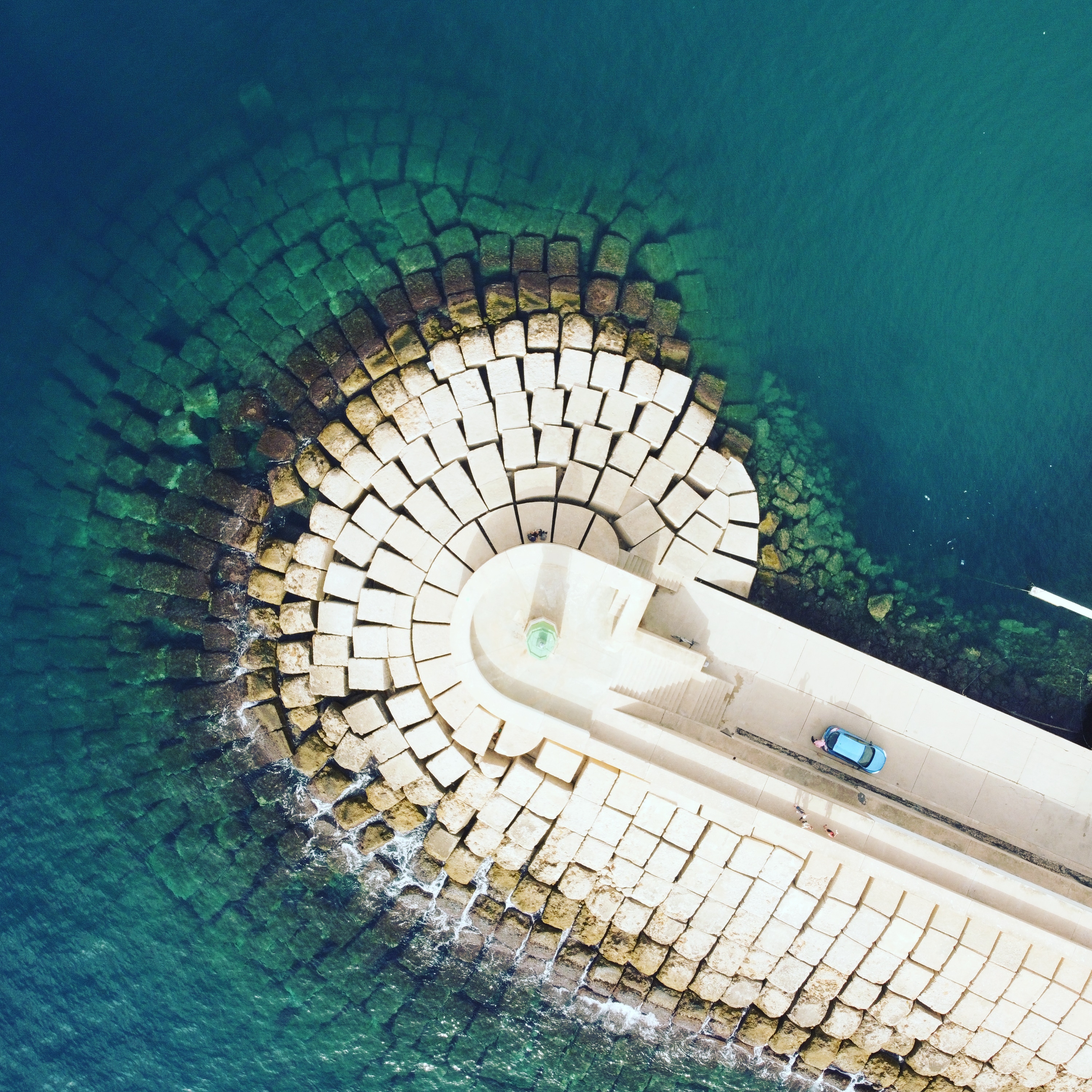
I was waking up every day at 6:00 am during my holidays. It was just the right time to ride my bike to some beautiful small beaches in the cozy coast of Alicante and experience a stunning sunrise. I was completely alone, and I could fly my drone to capture some beautiful vertical shots of the coast line, where blue and orange merge with each other.

I could not explain the reason behind my proactive daily exercise of “sleep deprivation”. Why I would sacrifice resting in the bed for such a physically exhausting experience?

While talking about it with a great mentor and friend, he answered to me straight forward: “you do it because that is your nature, you always love to see the world from a different angle and then spread the word about what you have observed”.

Ups, I never thought about my passion for aerial photography in such way, but moreover, I had never reflected before on that to be the reason and the fundamental link between the main areas of expertise during my professional career: Marketing, Strategic Planning, Innovation, and Customer Experience.

But my mentor had no doubt: that was the backbone of what I have been doing along the years: observing, empathizing, modelling and taking action. And everything started with a sense for deep observation, whether it was analyzing a market, a technology, a customer or a competitor.

Isn’t it that what Marketing, Innovation and Customer Experience is all about?

September – Personal goal setting time

Summer is normally the best moment for personal deep-thinking. I don’t believe leveraging on January as a kick-off opportunity for making commitments make sense for me, as September seems to be a more natural period for it.

While internal personal goals definition is great, I was thinking about making a public commitment this time. Just as Hernán Cortés did by destroying the ships when arriving in America so chances of coming back were reduced, making public commitments acts as a powerful nudge to act on them.

I found the metaphor of “drone flying” for sound observation of the world around so powerful, that I’m making it my personal motto for the 2021/2022 season:

During 2021/2022 season, I will be “flying drones” to observe the world from a radical different angle

And that “flying drones” approach will mean everything that:

  • Helps acquiring new knowledge and represents a significant upskilling opportunity.
  • Supports meeting new people and discuss about Innovation and Product Management from a totally different perspective.
  • Broadens the view of the world and the relevant social and economical changes that are happening these days and those to come.

So there we go, these are some of my 2021/2022 goals… 😉

  • Skilling – Become a certified drone pilot

First things first. Beyond the metaphor, real drone flying is amazing. While I have made a good progress this year and I got my official AESA pilot ID, I want to progress by getting the license to fly bigger beasts above 250gr. That would permit accessing new territories and keep on observing the world up to 120 meters.

  • Boosting creativity – Learn a new instrument

Being a father, I’m amazed with the curiosity that kids have with everything. The beauty of learning something new from zero is just phenomenal. Last year I tried to play piano for the very first time during the lockdown. While becoming a new Mozart is far away from my aspirations, just being able to play some easy pop songs would be great. Observing the notes, understanding how they interact among each other as chords, and creating some music out of it produces so much pleasure.

  • Upgrading my professional toolkit – Embrace “no code”

Although I personally do not physically create digital products, I’m responsible for the conceptualization, launch and operation of many of them. Proven that I don’t have a coding background and I’m not a developer, embracing the possibilities that “no code” brings will very much help conceptualizing and prototyping new digital services without costly and time-consuming processes. There are a couple of interesting programs to get to know “non-code” that I’m exploring right now.

  • Establishing new connections – Meet relevant people from other industries

What you eat has a fundamental effect on how you feel. The same applies to feeding you brain by meeting relevant people and have sound conversations. The quality of your perception of the world is highly correlated with the quality of the conversations you have with bright and optimistic people around. It is my intention to have at least 1-2 powerful conversations a week and so far, I’m being quite successful.

So here is the plan. After making this public commitment, I will be summarizing the progress done by September 2022. For sure these plans will get somehow derailed, but that will be OK as the other projects colliding with this initial plan help me progressing with the ultimate goal: getting better at observing, empathizing, modelling and taking action.

Let me know should you like to fly together…

Cuestión de prioridades

La carga de trabajo es incuestionable en casi todos los equipos de cualquier organización. Y supongo que la gran mayoría puede afirmar que durante la pandemia, en muchas organizaciones se multiplicó. Por muchas horas que dediquemos, siempre se quedará corto y habra más trabajo que recursos. Por este motivo, la solución pasa única y exclusivamente por la priorización.

Dicho esto, la siguiente pregunta es ¿Y cómo priorizo?, todo es importante y urgente, y me están pidiendo que lo tenga preparado ya. Obviamente, esto no es viable, y lo único que estaremos consiguiendo es poner bajo stress a la organización, posiblemente con resultados cuestionables. Uno de los grandes problemas es que vendrán ordenes (o peticiones) de diferentes areas de la organización, en el peor de los casos en direcciones contrapuestas, que será imposible ejecutar en paralelo, ya que los recursos (personas, dinero o recursos materiales) son limitados. Y siguiendo una simple afirmación lógica, si los recursos son limitados, limitado será el resultado producido con los mismos. No es cuestión de esfuerzo, de resiliencia o de compromiso, es física pura.

Las organizaciones tienen a descentralizarse cuanto mas grandes son, y es cuando empiezan los conflictos de prioridades, o mejor dicho el acumulo de tareas por falta de priorización. Cada area funciona tiene su propia agenda, que lleva sin contemplar es del resto. En otros casos, queremos abordar mas de lo que podemos, y siempre habrá mucho que hacer, mejorar, explorar, aprender,..

Llevándolo a un terreno más concreto como puede ser uno de los que aquí nos une, el marketing, seguro que esta situación puede resultar familiar. Pongamos la situación de que te enfrentas al reto de dirigir las actividades de marketing de tu organización. Como es muy posible, debido al cambio que se esta produciendo en nuestra sociedad, la organización este en transformación, cambiando modelos de trabajo, clientes objetivo, modelos de negocio,.. Con los cambios de presupuesto, y personas que eso tiene asociado, pero por supuesto no podemos dejar de volar el avión, mientras construimos uno nuevo. Por seguir con esta analogía, se trata de intentar cambiar de avión, modificando motores y otras partes fundamentales, mientras estamos a velocidad de crucero..Seguro que hasta aquí el reto te es muy familiar..

Aunque cada organización es muy diferente, para este simple ejemplo podemos describir las siguientes acciones como las necesarias a ejecutar: Adquisición de nuevos clientes, mejora de los sistemas existentes de marketing automation, fidelidad de los clientes existes, creación de un sistema de reporting fiable que nos de la visión completa, digitalización de ciertos canales y actividades, mejora de la imagen de marca,…y seguro que puedes poder unos cuantos más ítem en la lista, de los que estás gestionando en tu vida profesional real. Por supuesto, todo esto a ejecutar con un equipo limitado (posiblemente que no esté pasando por su mejor estado anímico) y con presupuesto limitado, por no hablar de la presión por parte de la dirección.

Enfrentarnos a esta situación nos causará estrés, nos empezarán a pedir resultados y predecirlos, y sobre todo nos encontraremos sorpresas por el camino. Tenemos varias opciones (que suelen ser las más comunes):

a) Dividir el trabajo, asignarlo a diferentes personas, y de forma voluntaria o involuntaria, trasladar al equipo la misma presión que estamos recibiendo de nuestros superiores. No se trata de mala voluntad, sino de intentar hacer el trabajo lo mejor posible, y cumplir con las expectativas.

b) Parar maquinas, e intentar analizar la situación y ver cómo podemos hacerlo todo. Posiblemente entremos en una situación de parálisis por análisis. La frustración de la dirección vendrá dada por el poco avance que estamos teniendo, y nosotros estaremos dandole vueltas para intentar hacerlo de la mejor manera, pero ninguna de las dos partes estaremos alineados.

En general, es complicado afrontar la situación con una tercer escenario, donde decidamos que no vamos a poder hacer todo, y prioricemos. Ejecutando solo esas tareas seleccionadas. Esto hará que tengamos que dar explicaciones y que alguna parte de la organización no nos vea con buenos ojos. Sin embargo, posiblemente sea la mejor forma de avanzar. Lo complicado viene dado por cómo hacer esa priorización.

La raíz del problema, en muchos casos viene por dos variables: Una la organización no tiene una visión común, por lo que la estrategia no está soportada por esa misión a largo plazo. Posiblemente la estrategia solo este fundamentada por los objetivos a corto plazo (de este trimestre o próximos 6 meses). Sin esa visión común, volviendo a nuestro problema, no sabemos si lo que necesitamos es incrementar el numero de nuevos clientes, fidelizar a los existentes, hacer más eficientes nuestras operaciones…

Tener una visión común, a nivel organización, nos ayudará a tener unos criterios de priorización común, y cualquier nueva iniciativa que surja poder encuadrarla correctamente. Si la organización está enfrentándose a un nuevo modelo de negocio o la renovación de su portfolio de productos, posiblemente la urgencia a corto plazo venga por intentar convertir los contratos existentes con clientes existentes, para posteriormente captar nuevos y seguir creciendo. Pero antes de poder crecer, necesitamos tener los sistemas que nos permitan hacer todo esto. Con esta pequeña argumentación, ya tenemos una lista de prioridades, que podremos defender y con la que podemos ayudar a entender a nuestro equipo el porque de ciertas acciones.

Decidir si es mas importante una campaña de SEO o de email marketing, si debemos apostar por la creación de un nuevo area de clientes en nuestra web, o cambiar nuestro logo es muy difícil sin un contexto. Tenemos que saber qué es lo que estamos haciendo y porque lo queremos hacer, cúal son las consecuencias que queremos generar como resultado de estas acciones. En muchos casos veo organizaciones hablando de innovar, pero sin una visión a largo plazo. Sin embargo, una vez tengamos establecida esa hoja de ruta, con la dirección en la que queramos movernos será más fácil navegar. No olvidemos que el SEO, la inteligencia artificial, los emails, SMS o estrategias omni-canal, no son más que herramientas que nos van a permitir alcanzar nuestros objetivos (no hablo de objetivos numéricos que tengamos que poner en una presentación a final del trimestre). Teniendo claro el contexto podemos decidir (y surgirán discusiones sanas sobre la mejor forma de lograrlo) cúal son los mejores métodos para llegar a esa visión, pero la prioridad será compartida por la organización. Esto llevará a una ejecución mucho más ordenada, donde los recursos sabrán dónde centrarse y qué impacto se está buscando. Crear esa hoja de ruta (llamado roadmap utilizando el termino anglosajón) será importante, ya que nos hará tener por escrito esa alianza a la que nos hemos comprometido como organización, donde cada equipo aportará una parte, con sus trabajo y conocimiento.

El propósito de marca no es marketing

Algo que suele suceder a principio de año, natural o académico, son los buenos propósitos (ir al gimnasio, comer mas fruta, estudiar ingles, pasar mas tiempo con familiares,..). Posiblemente todos hemos pasado por esta sensación (incluso por los coleccionable de los kioscos). Sin embargo la pregunta es, ¿cuánto duran esos propósitos? Todos los septiembres podemos ver varias cifras de nuevas altas en gimnasios o academias de idiomas (sin tener en cuenta la gran variable del COVID19 que lleva desde el 2020 trastocando todo). Esas cifras suelen subir, y aunque los abonados a estos servicios suelen seguir estando en las listas, no lo hacen como usuarios activos meses (o incluso semanas) después.

En el mundo corporativo pasa algo muy parecido. No es la primera vez que oímos o hablamos de las marcas con propósitos. El mundo esta cambiando y necesitamos cambiar el modelo. Muchas empresas se están alineando con los objetivos de desarrollo sostenible de naciones unidas, en otros casos, las organizaciones tienen sus propias visiones con un propósito claro y definido. Sin embargo, en muchos casos se queda en humo, en buenas intenciones y como nos pasa con el gimnasio o las intenciones de seguir una dieta sana, dura poco en nuestra mente. Posiblemente este sea unos de los motivos por los que la sociedad ve esto de las marcas con propósito, como una herramienta de marketing mas, sin sentido o con poco valor.

No existe una formula universal, ni una verdad absoluta sobre que debe hacer una organización al resto, pero si existen ciertos factores que ayudan en la consecución o persecución de ese propósito:

Proposito con sentido

La visión y el propósito será el motivo existencial de la organización. Es decir, porque existe, qué quieren conseguir y porque debemos comprarles a ellos y no a otros. Esta claro, que cualquier organización (con animo de lucro) tiene que tener beneficios económicos, pero esto es compatible con tener una visión más allá del dinero, y los beneficios. Todos esas frases vacías de ser queremos ser los primeros, los mejores, los más grandes,..aportan poco valor al cliente final. Estos necesitan saber cual va a ser el beneficio que van a tener ellos, como sus problemas o necesidades van a verse cubiertos, a la vez que comparten una visión global de la que serán participes (mejorar la salud de ciertas personas, conseguir una educación de calidad, obtener productos de calidad respetuosos con el medio ambiente,..).

Esta afirmación clara, nítida, con visión de futuro (y ciertamente idealista) que invite a participar en esa visión a la comunidad, y que tenga una visión a largo plazo será lo que empuje a la organización en la dirección correcta.

Estrategia e iniciativas.

Una vision y un propósito deben ser la brújula de una organización. La estrategia debe ser el camino marcado para conseguirlo, y por ese motivo la flexibilidad y alineamiento es fundamental. El entorno completamente cambiante en el que vivimos hace necesaria una revisión constante de esa estrategia, teniendo siempre en cuenta esa visión marcada.

Con una visión establecida, y bien comunicada a los miembros de la organización, se puede empezar a pasar a la acción. Cada equipo (incluso cada individuo) tendrá una idea clara, que tiene que compartir y en la que tiene que crear, para poder guiar su trabajo diario. En este punto es donde entrará la innovación. Cada persona involucrada podrá pensar en la mejor manera de conseguir esa visión, con sus pequeñas aportaciones, estando alineadas con la realidad (de la organización, de la sociedad y de la actualidad). Algunas empresas han sabido hacer un giro a tiempo, o por lo menos una desviación correcta para apoyar con sus fortalezas y activos a la lucha contra el covid. Estos son ejemplos claros de ajustes en las iniciativas (incluso en la estrategia). El siguiente paso es que esto suceda no solo para grandes emergencias como la citada, sino para que las organizaciones busquen de verdad la consecución de una visión. En muchos de los casos, la visión es una frase que adorna salas de reuniones y apartados de la web, pero sin una conexión real con las actividades del día a día. Las cuales están pensadas bajo una perspectiva, en muchos casos, corto-placista en las que se busca ese resultado económico rápido para presentar resultados en el trimestre o mes en cuestión.

Alineamiento

La parte mas complicada, una vez que la organización ha comprendido (y establecido su propósito) será alinear todas esas iniciativas que se pueden poner en marcha, todas con muy buena intención. Por un lado, se pueden producir las típicas situaciones en las que la mano izquierda no sabe lo que hace la mano derecha (departamentos trabajando en silos). Por otro lado es importante tener un criterio común para poder decidir qué iniciativas tiene sentido mantener, avivar o matar. En muchos casos los resultados pueden no ser los buscados, pero en otros (y mas importante) habrá que evaluar si esas iniciativas trabajan en la misma linea de consecución de la visión marcada.

Muchos de los problemas existentes en muchas organizaciones, además de no tener una brújula que guíe estas acciones (ese propósito común) es la falta de alineamiento entre equipos. No se trata de matar o desincentivar la innovación, sino de amplificarla y poder dotar de recursos aquellas iniciativas que tienen mas potencial de tener el impacto deseado. Existen muchos modelos de gobierno, pero estos modelos operativos tendrán que estudiarse caso por caso. Lo importante es contar con algún mecanismo de alineamiento que permita buscar sinergias, y mostrar resultados a la organzación.

El propósito de marca no es marketing, o no debería serlo. Debería ser la brújula que guíe la actividad de la organización, y para que así sea, su comunicación, tanto interna como externa es fundamental. Esa parte de comunicación es la que muchas empresas acogen como parte fundamental, y es donde el propósito se convierte en marketing solo. Cuando rascas un poco, es fácil ver en que casos es sólido el propósito, y

There is no way to fix a broken mirror

“The increase of disorder or entropy is what distinguishes the past from the future, giving a direction to time.”

— Stephen Hawking, A Brief History of Time

I can see it happening every day. People waiting and expecting that sooner than later the pre-Covid situation will come back. They talk about “the new normality”, “coming back to the office”, “coming back to the old good days”,…

I have important news from them: that won’t be the case. Period.

And it won’t be the case for a very powerful reason. It is not my very personal view or a subjective criterion.

The reason why the past situation won’t be back is just that it would be against the laws of Nature, against the fundamental principles of Physics, against what has happened every time a deep disruptive event has introduced chaos in a complex system.

If a mirror is broken, it is absolutely impossible to recover it to the previous status. You can glue it or use it for making a beautiful ornamental device, but it won’t be the same mirror anymore.

It is the Entropy, my friend

The law of entropy increase was first born out of thermodynamics and was discovered when studying the efficiency of perpetual motion machines and heat engines.

The second law of thermodynamics states that “as one goes forward in time, the net entropy (degree of disorder) of any isolated or closed system will always increase (or at least stay the same).

Well, but in the business world, Physics don’t apply…

You think so? OK, just please tell me any mayor industry disruption that ended into a situation close to the original one (same market dynamics, same competitors, same customer behavior,…). I bet you won’t come with any example, because that simply does not happen.

Physics do apply to every process in the world, and business is not any different. In fact, I believe a key element of business success has very much to do with how team leaders manage energy

OK, so as the future will be a disaster, I just give up

No way!!!. I haven’t said the future will be terrible, I just said that it will be different, by definition. So, the sooner we all stop moaning and focus on observing how this complex system is evolving and how to capture the bright opportunities to come, the better.

Time to mentally reset

It is over. Your bright past business is gone. Those customers won’t be back, those prices won’t be the same. The full ecosystem has changed massively and there is much more disorder. But grief and mourning won’t help us building the brilliant future ahead.

It is time for us to rethink the industries in which we are competing and the value proposition that we deliver. For example, in the airlines world where I work:

  • Classic approach (the aircraft being in the center of the strategy):
    • Competing in the “60 tons aluminum tubes transportation from A to B” business
  • Potential new approaches (the customer being in the center of the strategy)
    • Competing in the “time saving” industry
    • Competing in the “experiential” industry

You competitors will change according to the industry in which you define you will be competing. In the first case, you would compete against other aircraft operators, while in the second you would compete against players in the videoconferencing world, or in the media industry. We need to understand in which industries does our brand have legitimacy to pretend to occupy a space in the customer top of mind, and be brave and go for it.

But it is not fair

I don’t know if it is fair or not, or how much effort you made building what you had before. We should defer judgement. It is not about what we think it should happen if the world was “fair” but embracing what will happen. Nature does not care about what you did in the past but acts on the situation as from now and builds from here to the future according to its fundamental laws.

Why I’m so optimistic

There is a human tendency towards believing that what happens to us now is the most relevant phenomena that has ever happened to the human kind. But that’s always far from being true. The world used to be a much more terrible place. We have now strong assets that we can fully utilize to build from where we are. Never the human kind has had better access to education, to medical care, to technology.

Businesses have also access to an enormous and worldwide pool of talent and customers, and any new challenge opens the opportunity to new products and services to be delivered.

Next time I want to be prepared

Let’s learn something from what we have just went through. For example, I have personally decided to heavily invest in:

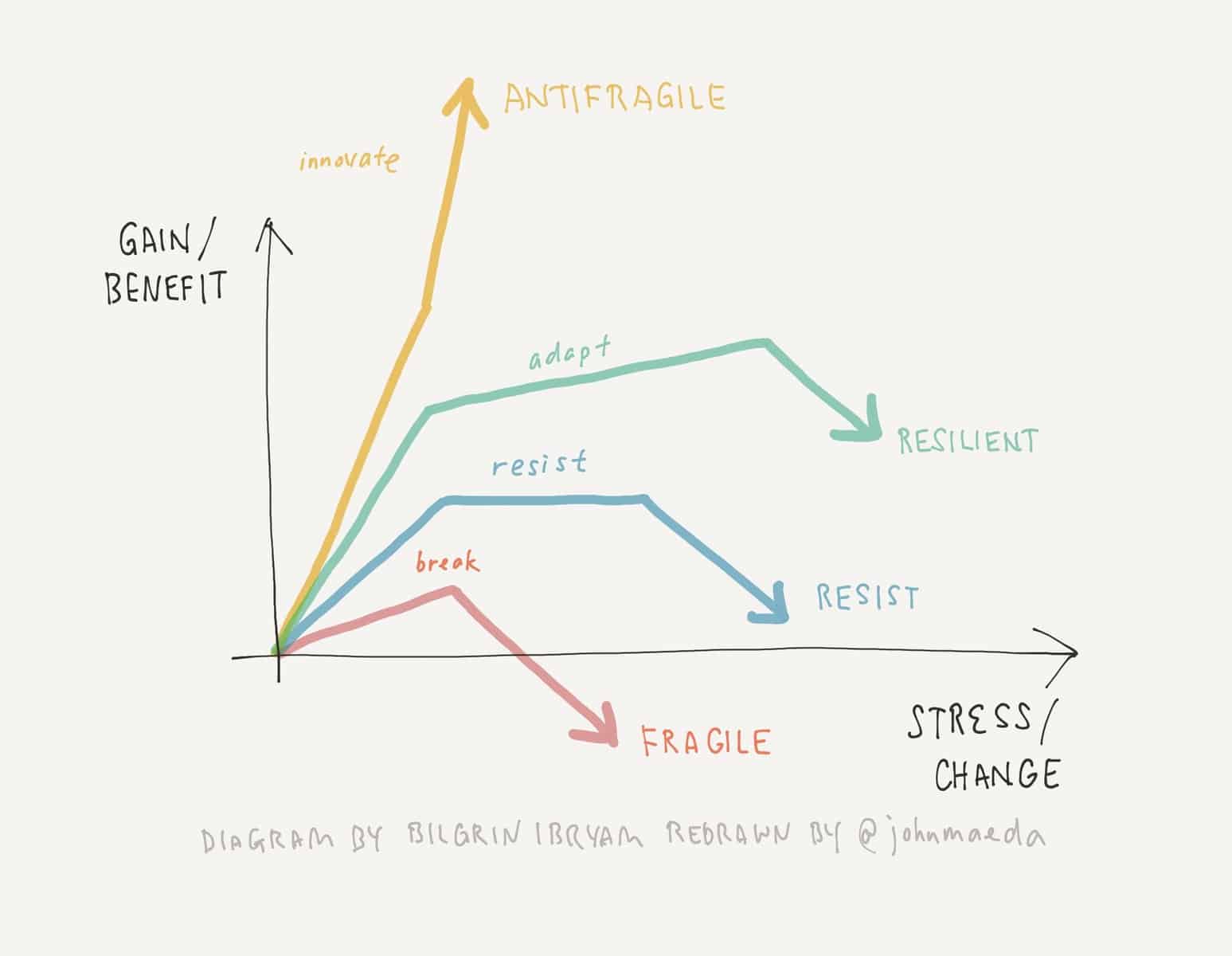
  • Building an “anti-fragile” life. Instead of a rigid architecture that may suffer when the next storm will hit (and it will), a flexible backbone for your personal life will help pivoting if necessary. For example, avoiding leverage heavily on non-liquid assets or teaching your kids languages so they could eventually start a new life anywhere.
  • Personal development. Relevant knowledge fields are endless, and very accessible. For example, I want to be self-sufficient when conceptualizing new digital products and services so I’m considering training myself on “no code” software development.
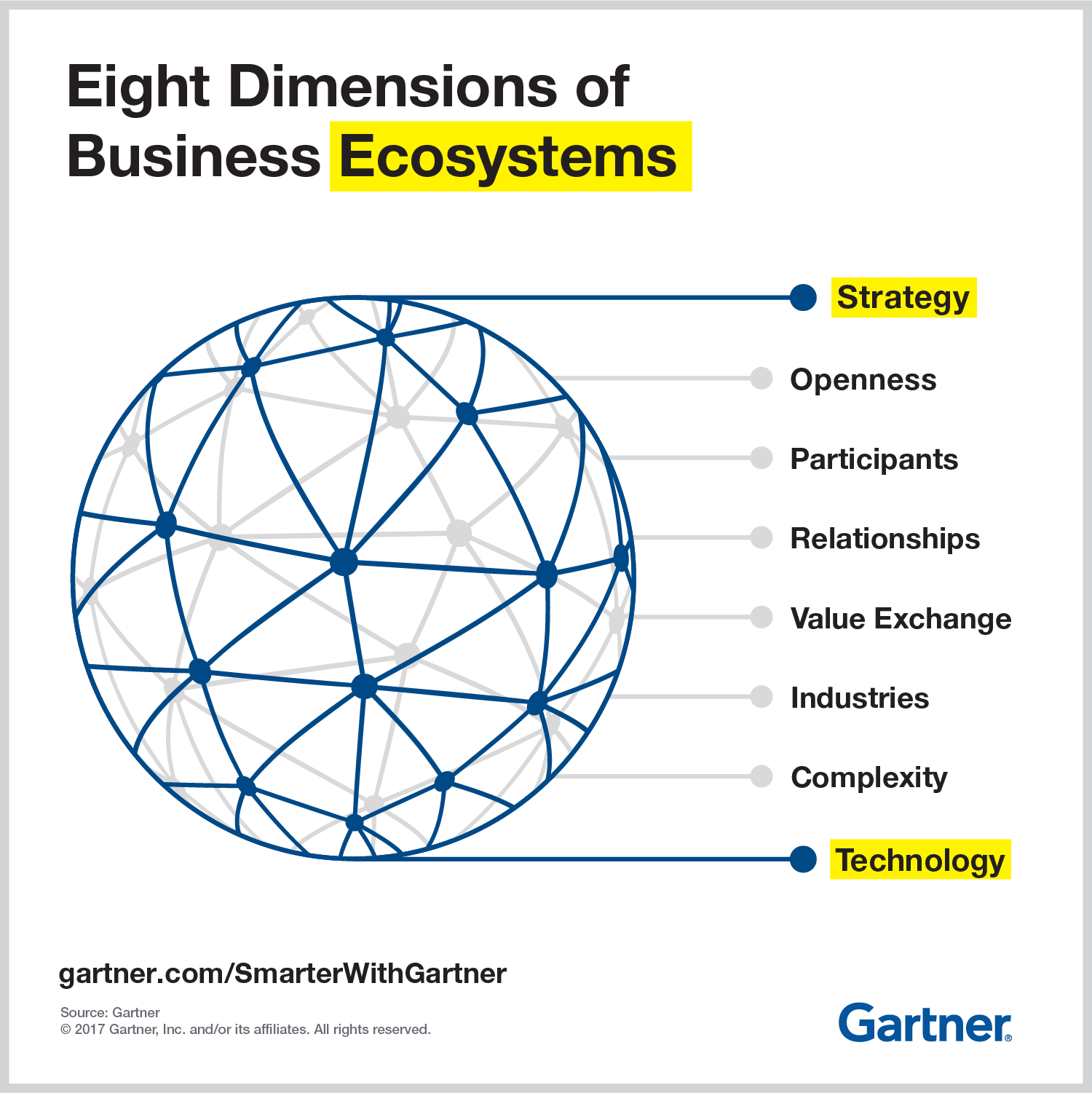
  • Ecosystems. I’m convinced about the fundamental power of networks and ecosystems in every aspect of life in the years to come. Competitors will suddenly become co-opetitors, industries will merge to deliver new unique value propositions. The definition of what a country or a company or any other institution as aggregators of human volition will be blurred. Associations between individuals will be much more related to achieving a certain goal.
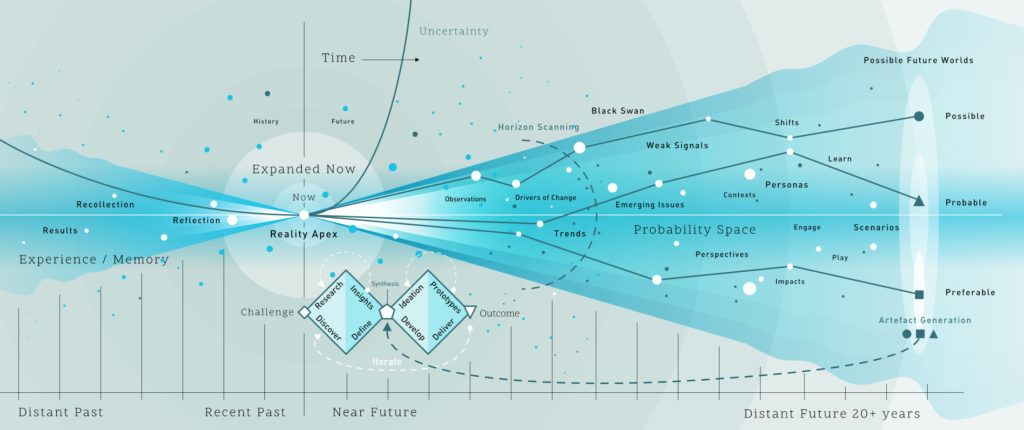
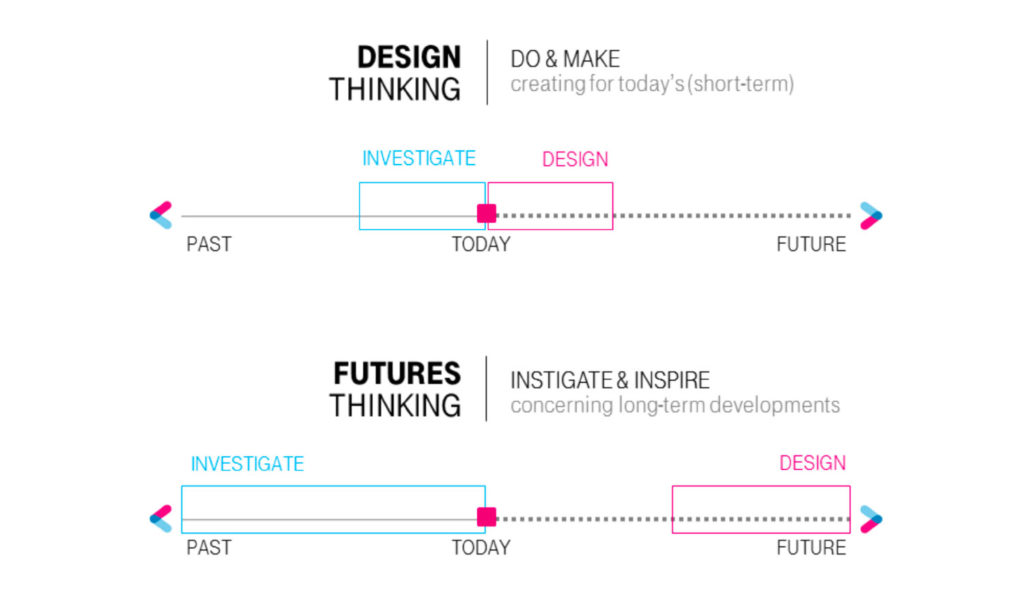
  • Working on the variables under control and explore scenarios. As an engineer, I never forget that for controlling a complex system, your focus must be on input variables under your control. All the others should be understood and observed, but if there is not much you can do about them, they shouldn’t occupy much mental bandwidth. At the same time, spending some time on “futures thinking” can help you understand potential outcomes of current course of action. The future will never be as you imagined, but preparing for several future situations will very much help you to act rapidly as circumstances will change.

Life is too important to adopt an attitude of “wait and see”. We normally have more levers to press than we think, and it is by far so much interesting. Let’s recover the control of our “aircraft”. Let’s do it, and let’s do it now.

Food for thought: