
El último territorio humano: sobre Velázquez, la IA y un desfile de moda

A los seres humanos no nos gusta por lo general tomar decisiones. Decimos que sí, que queremos elegir siempre que sea posible, pero la realidad nos suele demostrar que preferimos exactamente todo lo contrario: la comodidad de que nos den las cosas hechas, el refugio de la predictibilidad, la rutina y la certidumbre. Y es lógico, porque si conseguimos que un heurístico u otra persona elija por nosotros, minimizamos el gasto energético. Y es que pensar consume cantidades ingentes de energía. Aunque supone solo el 2% del peso medio de una persona adulta, el cerebro consume más del 20% de la energía que generamos (unos 20 watios al día con una dieta de 2.400 kilocalorías).

¿Puede la IA crear Arte?

Crear arte es un proceso en el que debemos tomar decisiones constantemente. A un trazo le sigue otro, una estrofa continúa con la posterior, a un acorde le acompaña el subsecuente.

¿Puede una IA tomar decisiones?. La forma que tenemos de dar instrucciones a una IA es mediante un «prompt», de forma que con unas someras indicaciones, ésta pueda «centrar el tiro». Pero irremediablemente, el modelo tendrá muchos huecos que rellenar en aspectos que no hemos determinado nosotros en nuestras instrucciones iniciales. Y para cubrir esos vacíos, utilizará información de su modelo de entrenamiento. En el caso de aplicaciones artísticas, esos datos vendrán necesariamente de otras obras anteriores. ¿Y qué referentes artísticos elegirá el modelo?. Tal y como funcionan los LLM en la actualidad, aplicará un cálculo estadístico determinando que la referencia en la que inspirarse sea aquella más popular ó más frecuente en su modelo de entrenamiento.

¿Podrá emocionarnos una creación que ha sido generada usando «valores medios» de referencias del pasado? Creo que la IA podrá generar obras que nos encajen fácilmente dentro de los referentes que consideramos familiares, pero difícilmente podrá sorprendernos. Formalmente, estarán muy bien construidas de acuerdo a unos cánones, pero será complicado que lleguen a generarnos emociones nuevas.
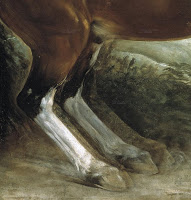
El arte es una cadena de «arrepentimientos»

Un creador toma decisiones típicamente de forma secuencial a medida que avanza en el proceso de elaboración de su obra, mientras que para alimentar una IA el prompt hay que proporcionarlo ex-ante. La IA funciona como si una vez liberado el pincel, no hubiera forma de reenfocar su trazo.

Si has visitado el Museo del Prado en Madrid, habrás observado los «arrepentimientos» en los cuadros de Velázquez. Son aquellos trazos iniciales y bocetos que finalmente el pintor ocultó en capas subsecuentes de pintura.

¿Imaginas el arte sin borrones, sin notas al márgen, sin «arrepentimientos»?
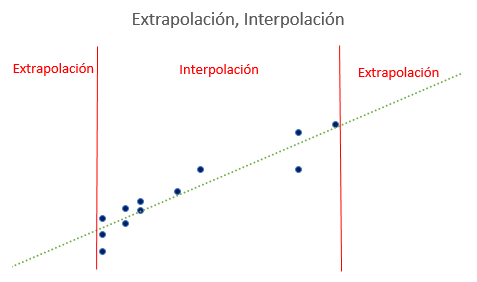
Interpolando en un mundo autorreferente

Los modelos actuales son extraordinarios a la hora de interpolar en un campo de conocimiento específico. De este modo, generan resultados realmente coherentes. No es que sean capaces de «entender» el mundo en el que vivimos, pero saben generar datos que encajan como un guante en ese mundo. Además, por una cuestión de diseño, están sesgados según el corpus de conocimiento con el que han sido entrenados.

Como el filósofo Grady Booch nos recuerda, decía Sagan que «la mente humana hace mucho más que predecir«. Es capaz de generar abstracciones, construir teorías sobre el funcionamiento del mundo, y sobre todo, interpretarlo desde el contexto de la propia experiencia, de nuestros objetivos, deseos y sentimientos.

¿Y por que la IA debe reemplazarnos?

La IA no parece que vaya a reemplazar la capacidad creativa de un ser humano en el corto plazo. Pero la pregunta es «¿por qué demonios debería de hacerlo?».

Parecemos obsesionados por predecir cuándo los modelos de lenguaje llegarán a alcanzar la Inteligencia Artificial General (AGI), en vez de enfocarnos en aplicar la IA intensivamente en aquello para lo que ya ha demostrado que es extremadamente útil.

El mundo de la creación es a fecha de hoy, como dice Javier G. Recuenco, «el último santuario humano«.

¿Tecnocenizos o Aceleracionistas?

Como habitualmente nos recuerda César Astudillo, el desarrollo tecnológico no es bueno per sé, pero es ingenuo pensar que se puede parar y poner en pausa por el miedo a potenciales eventos futuros. ¿Qué habría pasado si hubiéramos pausado a Newton, Darwin ó Einstein?

Entre el pesimismo de los tecnocenizos del progreso que creen que la IA nos llevará irremediablemente al desastre y el aceleracionismo tecnológico según el cual la tecnología no es un medio sino un fin y hay que aceptarla sin filtro, hay un término medio mucho más interesante.

Frecuentemente en mi contexto profesional hago a los equipos de Tecnología la pregunta de «¿para qué quieres desarrollar eso?«. Porque no todo lo que se puede hacer técnicamente, debe de ser hecho. Porque debemos empezar desde el primer momento con el impacto en nuestra organización que tendrá aquel desarrollo tecnológico que promovamos.

Necesitamos la «mirada del filósofo», la que se pregunte el «por qué» y el «para qué», poniendo al humano en el centro.
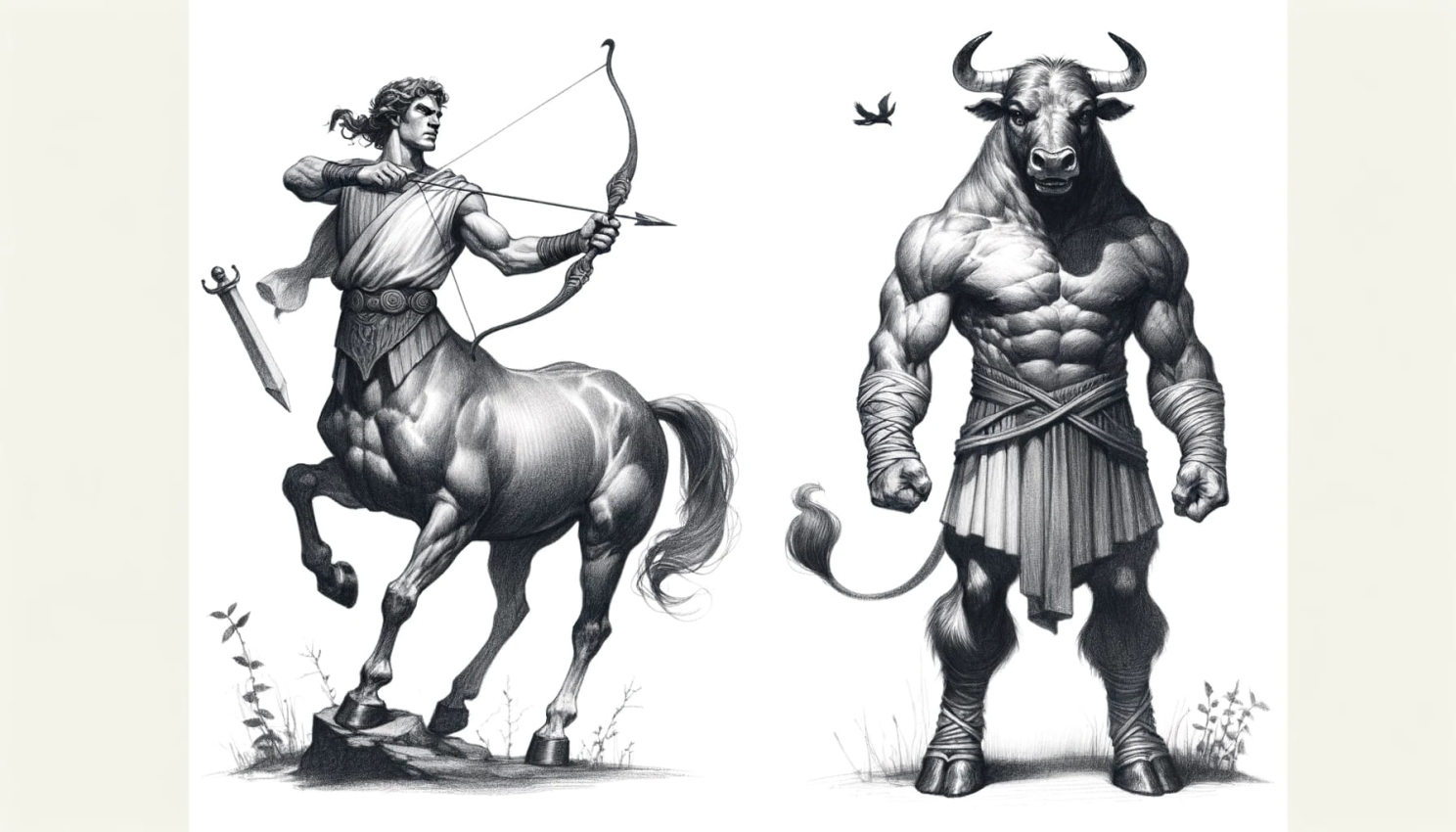
Minotauros ó Centauros

El líder en las organizaciones debe impulsar la adopción tecnológica desde una perspectiva de «Centauro«, donde la toma de decisiones ocurre en la capa humana y la tecnología impulsa con toda su potencia. El liderazgo desde el mero enamoramiento tecnológico con un enfoque de «Minotauro» donde delegamos la cognición al algoritmo y dedicamos al humano a la pura fuerza tractora, lleva irremediablemente al desastre como sociedad.

Siendo responsable de Diseño de Experiencia Cliente en Iberia,siempre nos obsesionaba en el proceso de diseño el dedicar el tiempo suficiente a decidir sobre qué problemas u oportunidades nos estábamos enfocando («design the right things»), antes de zambullirnos de lleno en la ejecución desde la excelencia («design things right»). En esta época de aceleración gracias a la IA, creo que el humano debe dedicar gran parte de su reflexión a asegurarse de diseñar las cosas correctas, y dejar a la IA que una vez decidido qué diseñar y por qué sea ésta la que nos ayude a ejecutarlo de forma correcta.

La emoción de un desfile de moda

Andaba yo en mis pensamientos sobre todos estos asuntos, y dándole vueltas al último informe de Mario Draghi sobre la competitividad en Europa, cuando los amigos de la Universidad de Diseño, Innovación y Tecnología (UDIT) me invitaron al desfile de sus estudiantes del grado de Diseño de Moda en el contexto de la Mercedes Fashion Week.

Ver sobre la pasarela las creaciones de estas jóvenes promesas era emocionante. Pensar que tenemos una generación de chavales explorando «el último santuario humano» en el contexto de la creación, resultaba fascinante.

Según me comentaban, utilizan extensamente la tecnología y la ciencia de materiales para conceptualizar sus diseños. Pero en último lugar, es su muy personal y buen criterio y su ojo para la creación, lo que consigue que nos emocionemos al admirar sus obras.

Mirando al futuro con optimismo

Creo que los que peinamos ya alguna cana tenemos una responsabilidad a la hora de habilitar mecanismos en las organizaciones que lideramos para impulsar una aproximación a la tecnología desde un punto de vista que facilite el florecimiento de lo humano. Pausar de vez en cuando una visión más utilitarista y orientada a la pura eficiencia y replantear si estamos utilizando la tecnología para construir empresas que no solo «interpolen» de forma muy precisa sino que sepan «hiperpolar» como explica el filósofo Toby Ord. Es decir, hacerse preguntas en direcciones que no pueden ser definidas en el contexto de los ejemplos existentes. Explorar territorios y espacios conceptuales en dimensiones no definidas en la realidad existente.

Nunca fue un mejor momento para dedicarse a la gestión del cambio como en tiempos como los actuales. Disfrutemos el viaje.

What “The Princess Bride” taught me about Cognitive Biases in Service Design and Innovation management

“The only true wisdom is in knowing you know nothing.” — Socrates

There is a number of reasons why “The Pricess Bride” became an iconic film in the 80’s. If you were not in love with Robin Wright (as Buttercup) or moved by the outstanding soundtrack created by Mark Knopfler it’s quite possible that you had no heart.

But the other reason why this modern fairy tale became so popular was the script, containing a number of scenes difficult to remove from our childhood memories. One of my favorites is “The battle of the wits between Vizzini and Westley”.

Vizzini captures Westley’s true love Buttercup, and Westley challenges the Sicilian in a battle of wits to the death. Westley, places two goblets of wine on the table, and informs Vizzini that one contains deadly «iocane powder.» Westley says, «The battle of wits has begun. It ends when you decide and we both drink and find out who is right… and who is dead.»

Vizzini then tries to guess Westley’s reasoning, pretending to figure out his strategy when placing the poisoned goblet.

To make the long story short, a number of cognitive biases while trying to figure out Westley’s strategy, push Vizzini to the wrong decision making. He drinks from one goblet and at the next minute, he dies. Apparently, Westley placed the deadly iocane powder in both glasses, but he had built up an immunity along the years.

*****************************

I loved how my friend Antonio López (Chief Data Officer at Decathlon Spain) used this epic scene to illustrate how cognitive biases lead us to the wrong decision making during his keynote at Ironhack Madrid a couple of days ago.

Cognitive biases refer to the systematic ways in which the context and framing of information influence individual judgment and decision-making. They are mental shortcuts (known as heuristics) which are systematically used my Marketers and Service Designers everywhere in order to design killer product and services that are difficult for a consumer to resist.

The power of these biases is that no matter how conscious you are of their existence, it is quite difficult to avoid them when someone faces decision making in real time. They very often lead us to the wrong decision making in terms of rational choices but as the famous American psychologist Dan Ariely says, we Humans are by nature “predictably irrational”.

So why do humans have cognitive biases?

Most of our mental biases date back to a time when quick decisions determined our survival.

We should not judge the negative impact of humans developing cognitive biases as we evolved in the past based on the negative impact of them in current societies. This human brain characteristic made our ancestors survive in stressful situations where “fight or fly”where the only options and they had to react fast (almost instinctively) without much thinking. If our predecessors had to carefully analyze if a mammoth was about to attack or not, they would probably die.

But can we fight them?

Even the most trained people find it difficult to find the cognitive biases behind their reasoning. Some of the most popular technics though are:

·       Take your time: Set up a time to sit down and reflect before making big decisions, whether this means writing down your thoughts or just meeting with others to flesh some ideas out.

·       Avoid decision making under stress: Our body releases a cocktail of adrenaline and cortisol, which increases our heart rate, dilates our pupils and triggers tunnel vision. Every decision is better made after a single, deep breath.

·       Use decision trees: Evaluating the pros and cons for every decision being made and the cascade effects for each of the options.

·       Leverage mental models, although sometimes can be confused with cognitive biases, they are a different animal. A mental model is a representation of how something works. We cannot keep all of the details of the world in our brains, so we use models to simplify the complex into understandable chunks.

·       Have a “decision journal” and periodically review the most relevant decisions you made, when you made them, what were the outcomes and what info was available by the time you made the decision.

·       Purposefully surround yourself with people who are different from you and who have different opinions than you do.

·       Study them to acknowledge when you are being affected by any.

Why understanding cognitive biases is so relevant for Service and Product Designers?

Researchers Amos Tversky and Daniel Kahneman conducted a number of studies on cognitive bias and found that framing identical information differently (i.e., presenting the same information differently) can lead to opposing decisions being made. This means that cognitive biases play an important role in information design because they influence users or customers decision-making. How we present information on webpages and user interfaces can affect how likely users are to perform certain actions, such as purchasing a product or service.

How cognitive biases kill Innovation?

Known broadly as the “curse of knowledge” (or effect of knowing), biases rely on our experiences and ways of applying prior knowledge, particularly in decision-making. The more previous success you have had in applying that knowledge, the harder it is to imagine alternatives. This helps explain why older team members tend to struggle most to think divergently. Most decision making is instinctively guided and controlled by these rational short cuts, without us even being aware of it consciously. The result can be a negative impact upon creative and innovative thinking (especially in divergent ideation and conceptualization phases) where key decisions about what to take forward are made. Not keeping them in check can also mean you end up trying to solve the wrong problems whilst ignoring critical flaws only to repeat the same patterns again for future projects.

*****************************

Please find below a list of frequent cognitive biases affecting our decision-making:

·       Confirmation bias, the tendency to seek out only that information that supports one’s preconceptions, and to discount that which does not. For example, hearing only one side of a political debate, or, failing to accept the evidence that one’s job has become redundant.

·       Framing effect, the tendency to react to how information is framed, beyond its factual content. For example, choosing no surgery when told it has a 10% failure rate, where one would have opted for surgery if told it has a 90% success rate, or, opting not to choose organ donation as part of driver’s license renewal when the default is ‘No’.

·       Anchoring bias, the tendency to produce an estimate near a cue amount that may or may not have been intentionally offered. For example, producing a quote based on a manager’s preferences, or, negotiating a house purchase price from the starting amount suggested by a real estate agent rather than an objective assessment of value.

·       Gambler’s fallacy (aka sunk cost bias), the failure to reset one’s expectations based on one’s current situation. For example, refusing to pay again to purchase a replacement for a lost ticket to a desired entertainment, or, refusing to sell a sizable long stock position in a rapidly falling market.

·       Representativeness heuristic, the tendency to judge something as belonging to a class based on a few salient characteristics without accounting for base rates of those characteristics. For example, the belief that one will not become an alcoholic because one lacks some characteristic of an alcoholic stereotype, or, that one has a higher probability to win the lottery because one buys tickets from the same kind of vendor as several known big winners.

·       Halo effect, the tendency to attribute unverified capabilities in a person based on an observed capability. For example, believing an Oscar-winning actor’s assertion regarding the harvest of Atlantic seals, or, assuming that a tall, handsome man is intelligent and kind.

·       Hindsight bias, the tendency to assess one’s previous decisions as more efficacious than they were. For example, ‘recalling’ one’s prediction that Vancouver would lose the 2011 Stanley Cup, or, ‘remembering’ to have identified the proximate cause of the 2007 Great Recession.

·       Availability heuristic, the tendency to estimate that what is easily remembered is more likely than that which is not. For example, estimating that an information meeting on municipal planning will be boring because the last such meeting you attended (on a different topic) was so, or, not believing your Member of Parliament’s promise to fight for women’s equality because he didn’t show up to your home bake sale fundraiser for him.

·       Bandwagon effect, the tendency to do or believe what others do or believe. For example, voting for a political candidate because your father unfailingly voted for that candidate’s party, or, not objecting to a bully’s harassment because the rest of your peers don’t.