Juegos de Guerra

Recuerdo con fascinación la película «Juegos de Guerra» del año 1983, que exploraba los peligros de la tecnología y la inteligencia artificial en tiempos de conflicto bélico. La historia nos presenta a un joven hacker que, sin saberlo, se infiltra en un sistema militar ultrasecreto y desencadena una serie de eventos que podrían llevar a una catástrofe nuclear.

Me venía a la memoria esta película al leer el reciente artículo de HBR “AI can (mostly) outperform human CEOs”. Y es que a los seres humanos nos fascinan estas narrativas de “escalada militar”. Si además es en el contexto de la aparición de tecnologías que no comprendemos del todo bien, el argumento para el “click-bait” está servido.

El artículo expone la pregunta de si la inteligencia artificial generativa ha demostrado tener el potencial de superar significativamente a los CEOs en la toma de decisiones estratégicas, especialmente en tareas basadas en datos. Así, en un experimento de simulación de una industria automotriz, los modelos de IA superaron a los participantes humanos en decisiones relativas a ganar cuota de mercado y rentabilidad, pero tuvieron grandes dificultades para manejar eventos inesperados, al carecer de una genuina intuición sobre las dinámicas empresariales y una visión adaptativa a largo plazo. El algoritmo proponía acciones muy agresivas para optimizar el corto plazo, pero carentes de flexibilidad y capacidad de pivote.

¿Por qué creo que hay que cambiar el enfoque?

Observo con excesiva frecuencia este “juego de suma cero” en el que estamos constantemente tratando de definir dónde trazar la línea entre el humano y la máquina. Puede ser entretenido desde un punto de vista narrativo, pero sospecho que no nos hace avanzar en un mundo en el que tendrán que coexistir ambas inteligencias.

Considero mucho más interesantes las aproximaciones desde el análisis de las “capacidades aumentadas” que la IA aporta al humano, lo que ya se empieza a denominar como “cointeligencias”.

La gestión del cambio que viene

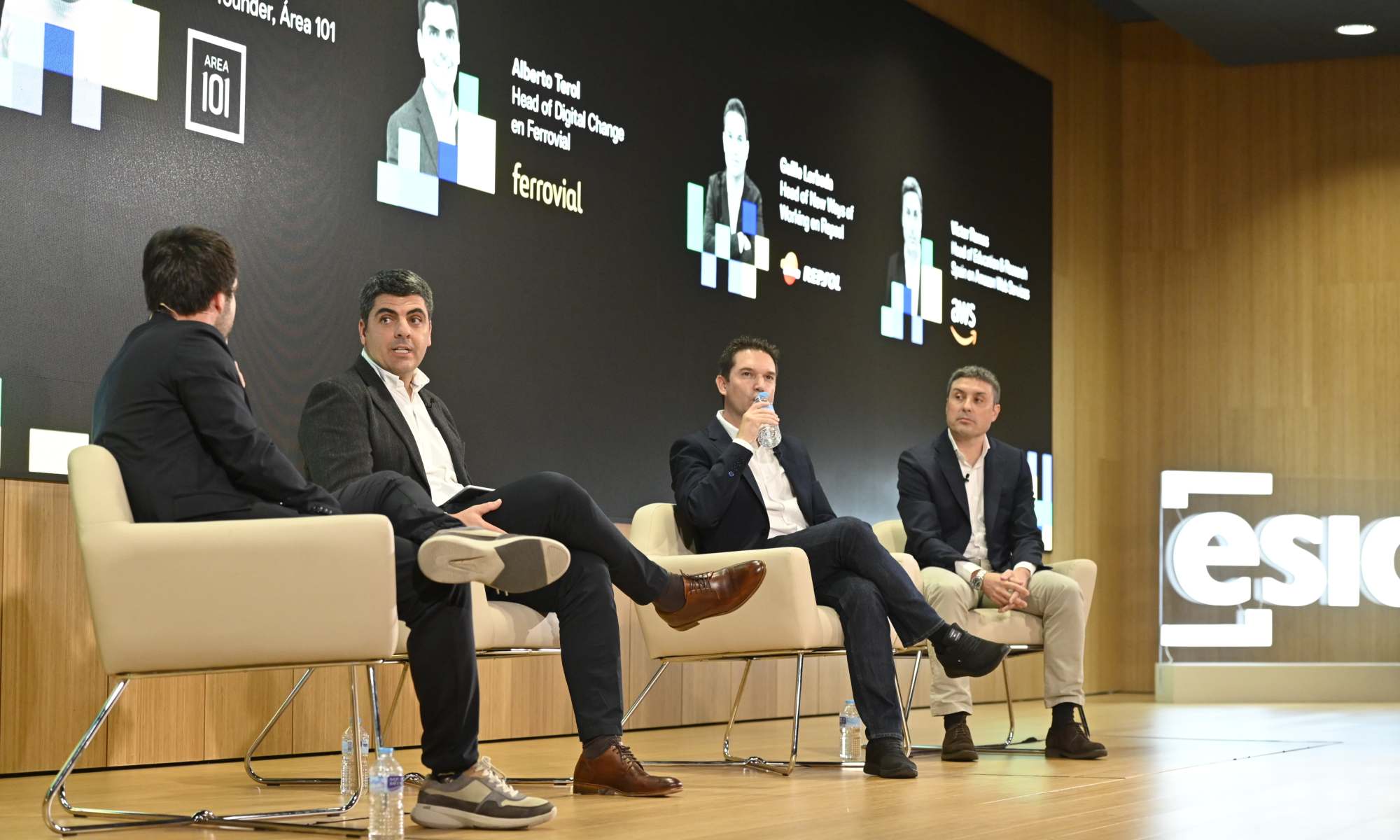
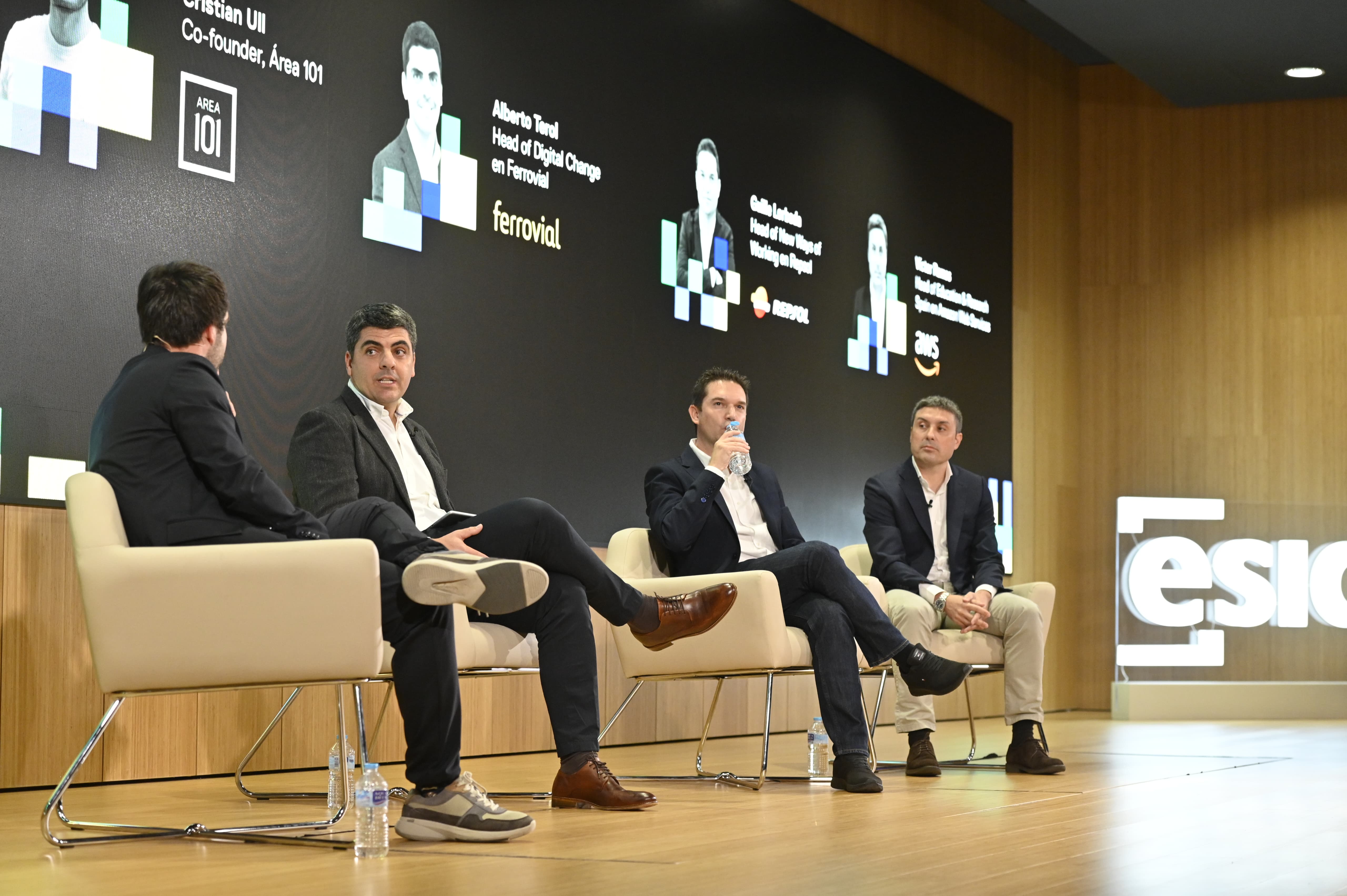
Esta semana, asistía a la amable invitación de ESIC Business & Marketing School y Area101 para debatir en un panel sobre agilidad empresarial en el ámbito de la innovación corporativa. Una de las ideas que yo transmitía es que necesitamos reenfocar el debate.

Creo que en la tan cacareada era de la “Transformación Digital” nos centramos mucho en “digital” y poco en “transformación”. Digitalizamos tareas, procesos y documentos, pero ¿realmente fuimos capaces de transformar organizaciones?

Esta vez tenemos la oportunidad de hacerlo bien, desde una mirada que reflexione primero sobre qué retos resolver antes de discutir cómo la tecnología puede ayudar a resolverlos. Haciéndonos antes las preguntas “¿por qué?” y “¿para qué?” antes que “¿cómo?”.

Capgemini Research Institute 2024 – Gen AI at work: Shaping the future of organizations

Subiremos IAs a los Comités de Dirección

Las empresas tratamos de pasar rápidamente del Taylorismo a la Holocracia, operando con estructuras más propias del siglo IXX que del siglo XXI. Ahora tenemos la oportunidad de operar a escala, gracias a la tecnología, grandes transformaciones. Pero siempre desde una mirada humanista y entendiendo que entramos en una nueva era del florecimiento donde cada uno de nosotros debe de elevarse en su función.

El hecho de que vamos a tener muy pronto como compañeros en los Comités de Dirección a las IAs está claro. Y no debería de ser entendido como una amenaza ya que, si todas las funciones de un Comité pudieran ser reemplazadas por una IA, no nos hablaría muy bien de la gestión de esa empresa.

Definir una estrategia y dirección, trabajar sobre un propósito, tomar decisiones, desarrollar equipos, construir una cultura de trabajo,… son responsabilidades que desde el origen de los tiempos siempre han desarrollado los líderes de las organizaciones. Y no imagino un futuro en el que eso no deba de seguir ocurriendo de esa manera. Eso sí, lo haremos en un contexto nuevo, en el que tendremos la inmensa suerte de hacerlo acompañados y complementados no ya por copilotos sino por “co-thinkers”.

Bienvenidos a la era de las #cointeligencias.

(Si quieres ver la charla en ESIC con Cristian Ull Molina , Guille Lorbada Rodríguez, PhD y Víctor Ramos, está disponible en este enlace)

#GestionDelCambio , #EmpresaAumentada , #Florecimiento , #IA

A Tale of Two Cities: Bruges & Antwerp – Change Management Lessons

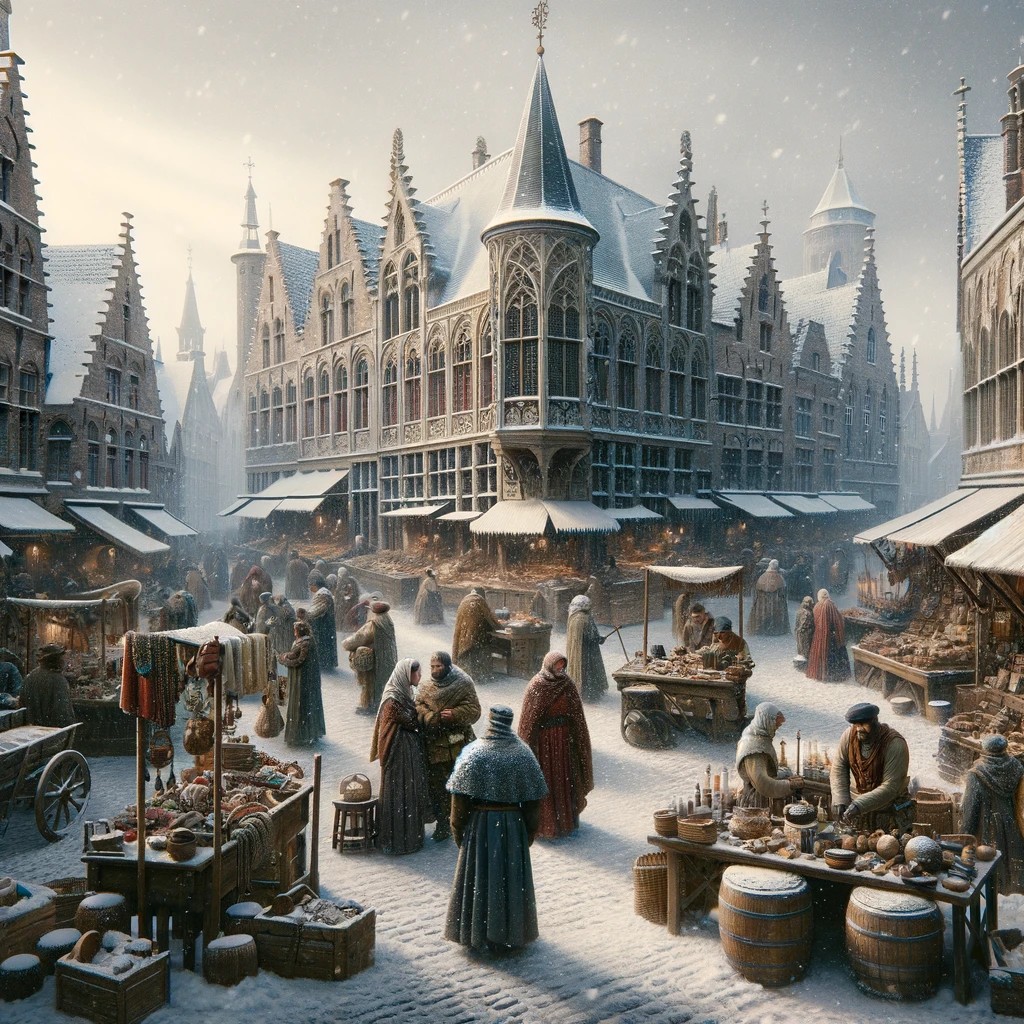
Getting lost in the little streets of Bruges (Belgium) is one of the most wonderful experiences you can enjoy in Europe. Each stone conveys a glorious past that has remained forever anchored in time. Today its streets, once bustling with trade from the main markets of the Old Continent, receive tourists in a fairytale city.

Once upon a time, in what we now call Belgium, there was a thriving trade city named Bruges. Nestled beside the Zwin estuary, Bruges blossomed around a late 9th-century castle, the cornerstone of the Duchy of Flanders. Fast forward a century, and it became not just the capital of Flanders but a burgeoning hub as trade winds blew prosperity through Northern Europe.

Bruges was a tapestry of commerce, weaving itself into a powerhouse of cloth manufacturing. Its lifeblood, the Zwin River, brought in a bounty – English cheese, Spanish wine, Russian furs, Danish pork, and exotic silk and spices from the East. Despite political upheavals, including French conquest and Burgundian rule, Bruges didn’t just survive; it thrived, doubling London’s population and pioneering in industries like Indian diamond cutting. Its docks, alive with Hanseatic League trade, hummed with the energy of grand commercial ships.

But then, the 15th century rolled in with a twist. The Zwin began to silt up, choking off Bruges’ trade lifeline. As its waters grew shallow, the big ships turned away, and so did the Hanseatic League, setting sail for Antwerp. Bruges, once a nexus of bustling commerce, slowly turned into a silent, preserved beauty – a «time capsule» city.

Today, Bruges stands as a testament to history, a perfectly preserved medieval marvel, while Antwerp, embracing the Scheldt River, rose to become the new titan of Western European economy.

Lessons for Today’s Leaders:

I was walking these Christmas days through the little streets of Bruges, and I was thinking about this story of success and decay. And as Mark Twain said, «History does not repeat itself, but it rhymes”.

The history of Bruges and Antwerp offers several valuable lessons on how to adapt to changing circumstances and uncertain environments:

Embrace change and innovation: Antwerp’s rise was partly due to its willingness to embrace change and innovate, especially in fields such as finance and new trade practices. This teaches us the importance of being open to new ideas and methods, especially in times of change or challenge.

🔱 Diversification is fundamental: Unlike Bruges, which relied heavily on the trade of very specific products, Antwerp diversified its trade, making its economy more resilient. Similarly, in our personal and professional lives, diversifying skills, interests, and investments can provide stability in an unpredictable world.

⛵ The importance of connectivity and opening to the ecosystem: The sedimentation of the Zwin River limited Bruges’ accessibility, leading to its decline. In contrast, Antwerp’s accessible port facilitated its growth. This highlights the importance of maintaining and improving connectivity, whether in infrastructure, communication, or relationships.

🔀 The relevance of pivoting in the face of unforeseen changes: The geographical change that hindered Bruges was outside its control, like how technological and market changes can be beyond our control today. Antwerp’s success shows the importance of proactively adapting to such changes.

🛡 The importance of strong governance: Antwerp flourished in part due to the stable political environment and favorable economic policies of the Habsburgs. This teaches us the value of creating and maintaining stable and supportive environments in organizations and communities.

🦲 Diversity and tolerance provide a growth platform: Antwerp’s policy of religious tolerance attracted a diverse population of merchants and financiers, enriching its cultural and economic life. This demonstrates how inclusion and tolerance can be powerful catalysts for growth and innovation.

👁 Observe and detect challenges and setbacks: Bruges’ decline was not immediate, but a gradual process that offered signs of changing times. Learning from challenges and setbacks, as Antwerp did by observing Bruges, can provide valuable insights for future success.

In summary, the history of Bruges and Antwerp teaches us to pivot, embrace diversity, maintain connectivity, proactively respond to external changes, foster stable environments, practice inclusion, and learn from our challenges to thrive in changing circumstances.

I wish you all a Merry Christmas from Belgium

Bonus track for 2024

As we navigate the dynamic tides of business, let’s draw inspiration from these two cities – one that held onto its glorious past, and another that embraced change and prospered. What’s your strategy in this ever-changing business landscape?

❔ Would you adapt like Antwerp or preserve like Bruges?

❔ How can we apply the lessons of Bruges and Antwerp in modern business environments?

❔ What are the new ‘Zwin Rivers’ in today’s business world, and how can we navigate them?

#HistoricalInsights #BusinessStrategy #Adaptation #ChangeManagement

Gratitude and joy. My 4 years at Iberia Airlines

Gratitude and joy…

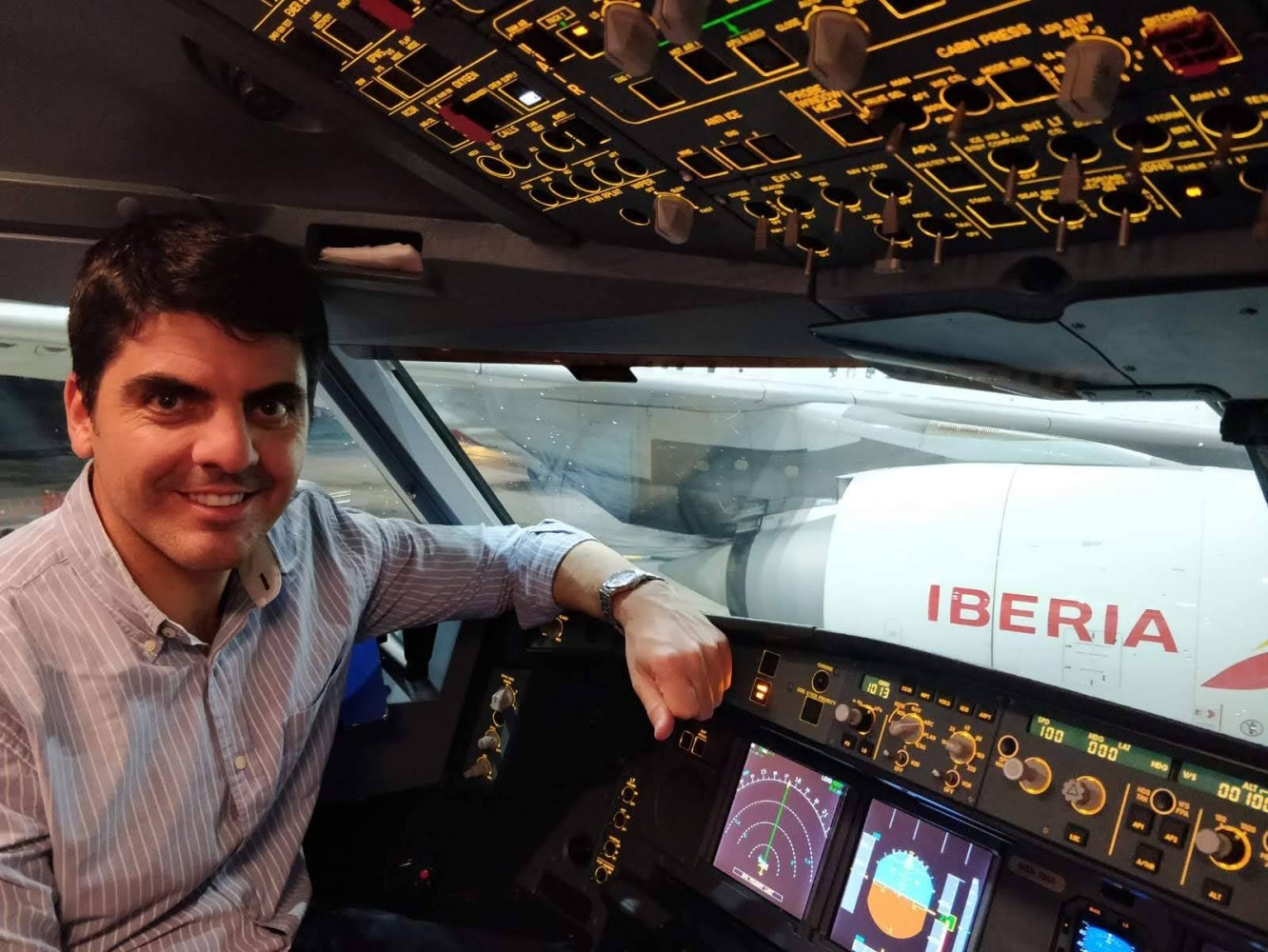
Those are the two feelings that I have when thinking about the last four years in Iberia Airlines that I’m now closing.

It is curious how life makes “connecting the dots” easy in retrospective and how difficult it is to do it when looking to the future.

How I fell in love with airlines…

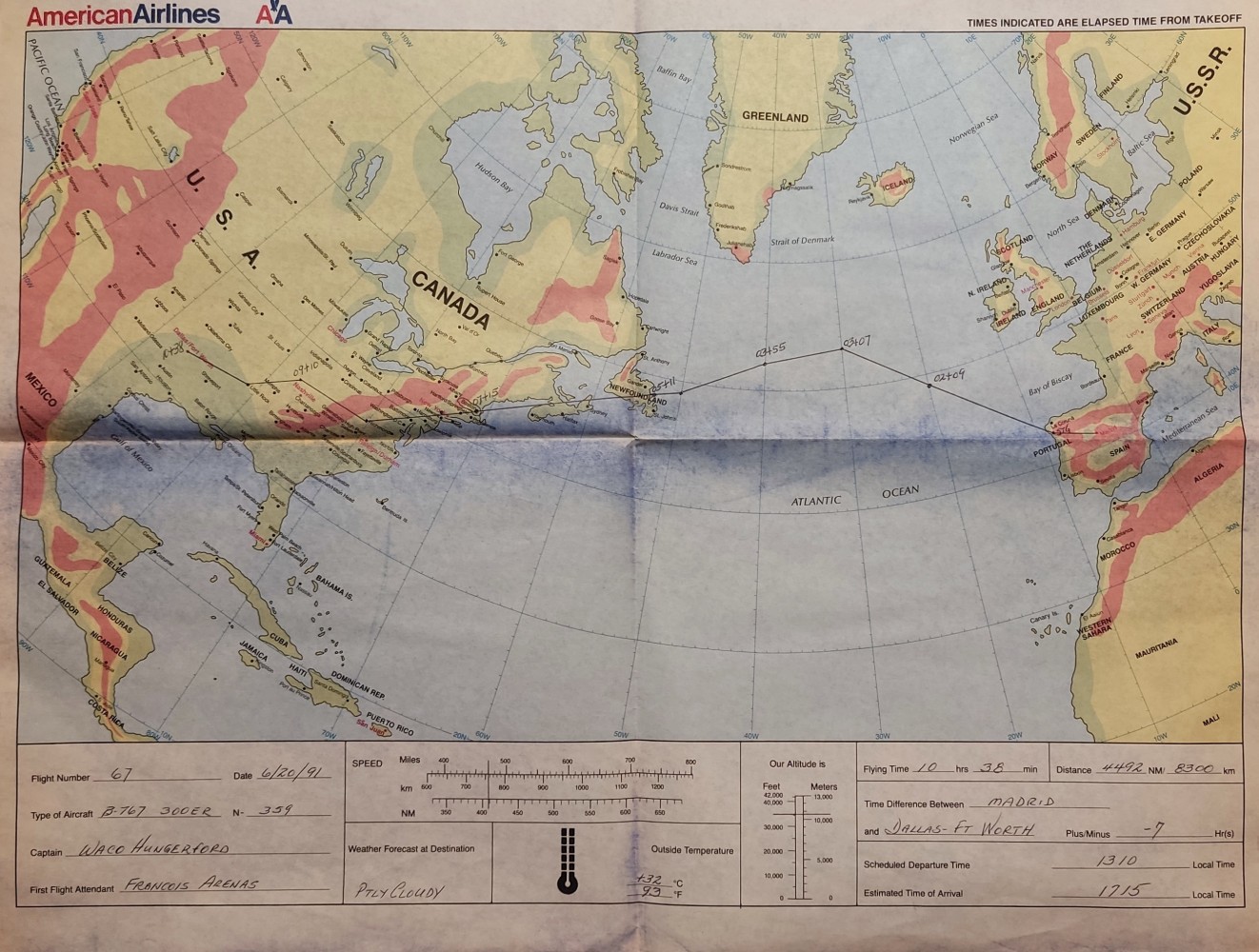
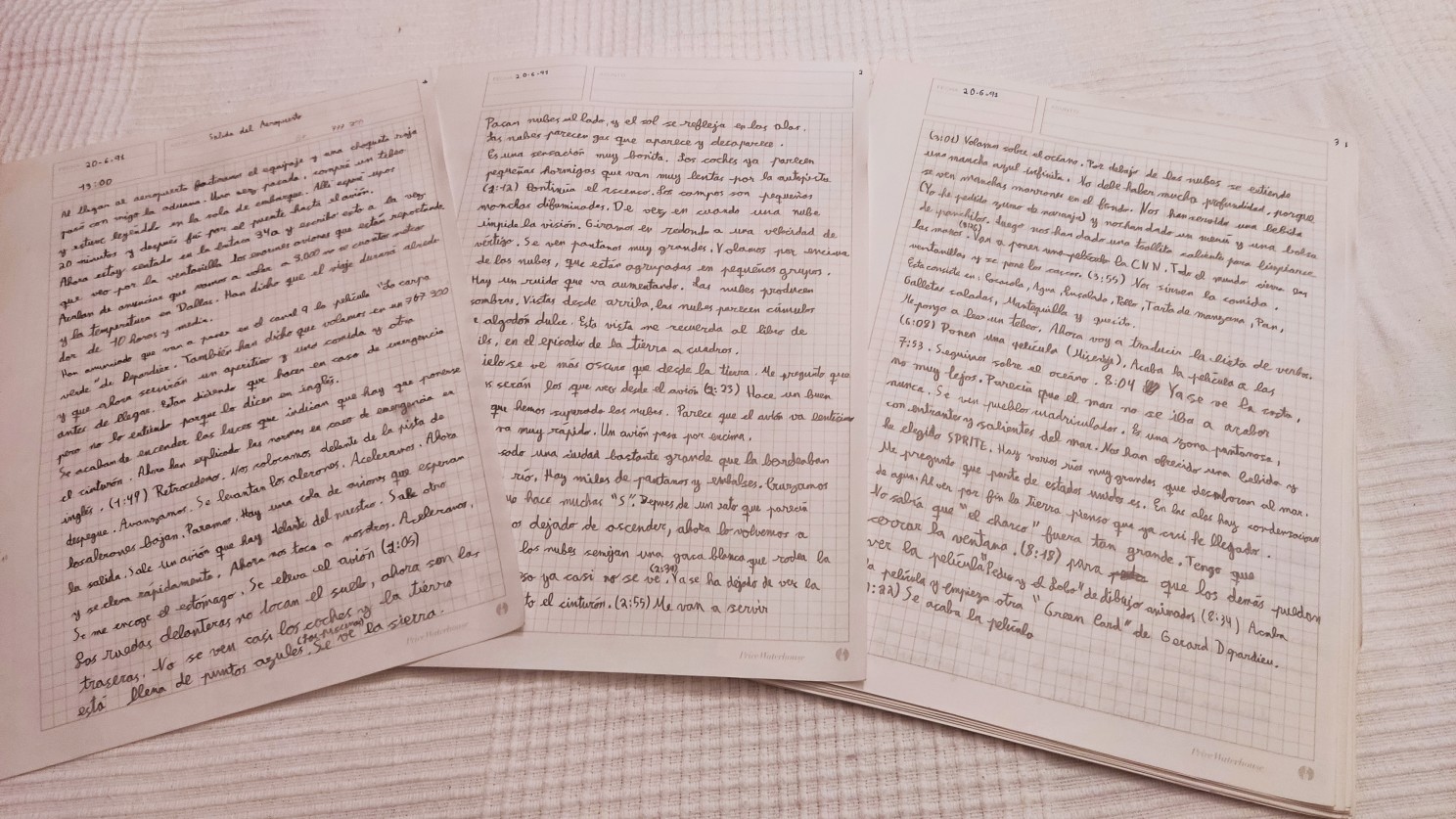
It was June 1991 and a twelve years old Alberto was flying for the very first time ever in a huge American Airlines 767 from Madrid to Dallas. I was alone, on my way to an exchange with a family to improve my very limited English language at that time. The feeling of flying was amazing, and I was writing down every single detail of my customer journey in a notebook: noticing how the flaps were moving, the noise of the engines, all the menu and inflight entertainment details. If I only had known that 30 years later I would be responsible for designing that journey for Iberia 😉

The route map that the captain gave me when arriving to Dallas as they noticed that I was paying so much attention to everything happening in the aircraft:

My notebook full of comments about what I was experiencing up in the air:

Fast forward to Iberia…

Back in 2018 I decided to transition from a wonderful role at 3M creating value by delivering new innovative products in B2B industries in West Europe, and embrace a new venture project at Iberia Airlines. I had a conversation with Gabriel Perdiguero and Nacho Tovar where they told me how Iberia was managing a sound transition and becoming a fully digitally connected airline. That really blew my mind and I can never be grateful enough for it.

I had no experience in the airlines industry apart from flying more than 25% of my work life time, but it was very obvious for me that the mission was going to be a step-change in terms of participating in a very ambitious transformational B2C initiative in one of the most complex business that I have ever experienced.

We had to build an Innovation powerhouse, embracing the vast amount of knowledge and expertise that the very talented Iberia employees had, and helping the organization prepare for a new world in which Digital was the new enabler to deliver high customized valuable experiences to our customers.

Managing the Incremental Innovation and Service Design practice, followed by managing Digital Customer Experience afterwards, gave me the opportunity to interact with more than 300 professionals, learning so much from every one of them.

Somehow, I was closing the loop that I had started 30 years before, and the little boy travelling alone to the US, was now a “forty-something” professional doing his best to prepare Iberia for a digital future.

And then, disruption came…

At the beginning, it was just some news from China and Italy. We thought we would be suffering a couple of months and then everything would be back to normal and we could recover our roadmap ahead. We were soooooo wrong !!!

These last 2 years dealing with the pandemic have been among the most challenging professional years that I have ever experienced. “Transformation” was not only a strategic desire but a necessity. Changing the services, adapting them to the new reality, making them work under very severe operational restrictions, discovering the new pains that our customers had,… I can’t really think of a period of time where the whole World was so much upside-down, and airlines were absolutely disrupted.

The good news was that we had progressed so much in terms of preparedness. All the internal digitalization that we had just went through made easier for us to adapt to the new ways of working, and we could leverage on some key digital assets to better serve our customers.

We had also built a high performing team, combining the talent that existed before and some new people that brought new ways of doing business and a solid customer-centric vision.

So all together, I think these last 2 years have been very stressful, strange and uncertain, but I also think that were the ones that have produced a bigger learning both personally and professionally not only to myself but to all of us. We are now stronger, and wiser, and we are better prepared.

Cross-check complete, and prepare for departure:

And now that the most sever part of the crisis is over and after these amazing 4 years at Iberia, I believe the cycle has come to an end. I have enjoyed participating in building the Transformation unit from the ground, creating a talented team of Service Designers, handing-over to my team most of what I know about change management and preparing for the future.

The whole industry has bottomed and it is now time for recovery and growth, and I’m totally convinced that in 2022 and 2023 we will see outstanding digitalization initiatives in Iberia, managed by my former team and the new talent that they will for sure incorporate. They have the skills, they have the attitude and they have a great roadmap ahead.

I’m now moving to a new industry, where I’ll bring everything that I know, and where digital change management is also so much needed. Servant leadership is a key element of my personal and professional toolkit, and I’m looking forward to helping again an organization full of talent, in a pivotal situation like the one Iberia was back in 2018.

Every time I’ll see a “bird” with a red and yellow tail above my head it will bring me memories of the outstanding experience with Iberia and the joy I had working there. And it will remind me the marvelous friends that I made, and how we dreamt together about transforming the industry.

It is not a “farewell” but a “see you later”:

More to come in the following weeks…

Alberto

Tenemos una nueva iniciativa. Tiene que ser un éxito

«Un viaje de miles de kilómetros debe comenzar por un solo paso»
Lao-Tsé

No creo que sea la primera ni la última vez que oímos una frase de este estilo en nuestro ambiente laboral. Casi todas las corporaciones están intentando despertar después de esta turbulenta época de crisis, para volver a la senda del crecimiento, o por lo menos minimizar los efectivos negativos. Pero también hay muchos otros motivos para poder embarcarse en este tipo de empresas, como enfrentarse a nuevos retos, querer transformar la compañía para ser más eficientes y sobre todo para conseguir objetivos diferentes.

Una cosa está clara, y si quieres conseguir objetivos diferentes no puedes seguir haciendo las cosas como las hacías antes. Pero esto que puede parece my claro, no lo es tanto. O al menos no todas las organizaciones lo interiorizan. Está claro que los cambios cuestanlas organizaciones son entes de costumbres y en general la forma de trabajar de alguien es muy complicado de modificar. Pero este cambio o transformación aunque debe ser individual, primero tiene que ser común o grupal.  Para  seguir avanzando, numeremos algunos de los principales puntos a tener en cuenta:

  • Cambio liderado por la organización: cualquier cambio que se plante una organización, ya sea un nuevo objetivo comercial, comercialización de nuevos productos o nuevos procesos de trabajo, debe estar liderado por la dirección. Sin este simple requisito, el destino no será muy prometedor. Pensemos que las prioridades de la dirección puedes ser diferentes, los recursos necesarios para conseguirlo nunca llegarán, y como comentaba antes, no será comprado por la organización  por completo. Está claro que la dirección no estará implicada en la ejecución de la iniciativa o proyecto como tal, pero si empujarán lo necesario siendo sponsors del mismo.
  • Plan bien definido: ¿otra obviedad? Puede, pero que cantidad de proyectos o iniciativas fracasaron por la falta de este punto. Y cuando hablo del plan, no me refiero a documentos con multitud de hojas o presentaciones con multitud de gráficos, iconos y otros efectos visuales pero que no aclaran lo más importante: Qué queremos conseguir y cómo lo vamos hacer. Un buen plan debería describir una parte más estratégica donde se exponga que es lo qué se quiere conseguir y cual es la visión a medio/largo plazo. Y por otro lado, una parte más operativa con la que consigamos entender las actividades o tareas a realizar a corto plazo
  • Métricas: puede que este punto requiera otro post por la complejidad y extensión del tema. No es fácil saber que son métricas y como utilizarlas. Pero para contarlo de forma fácil, debemos fijar algunos puntos de control para verificar que estamos siguiendo la dirección correcta y si no lo estamos haciendo, poder detectarlo a tiempo para tomar las acciones necesarias para encaminarlo como corresponde.
  • Responsable: en singular. Es importante que exista un único responsable de la iniciativa, aunque a su vez se pueda subdividir las tareas y asignar cada una de ellas a diferentes personas. Es necesario que éxita un único punto de contacto y responsabilidad, ya que sino siempre pueden quedar puntos en terreno de nadie, caer en el olvido (o pensar que están en el tejado del otro) y es donde empezarán los problemas y las trabas para conseguir el éxito que deseamos conseguir.

Como puedes imaginar, estos puntos son generales, y pueden servir para cualquier tipo de iniciativa que la empresa quiera poner en marcha. Pero hay un tipo que suelen ser más complicadas por encima del resto. Se tratan de nuevos procesos de trabajo internos, nuevo sistemas o plataforma de trabajo y incorporación de nuevos equipos. el motivo es que afectan a lo que estamos acostumbrados a hacer. La gestión del cambio es imprescindible aun más en estos casos, ya que los primeros que tenemos que creer en el cambio, comprarlo y ejecutarlo somos nosotros mismos, y a partir de ahí que surja el efecto deseado. Seguro que puedes contar con más de un caso de este tipo y has podido verte reflejado en algunos de estos puntos. Seguro que puedes aportar puntos adicionales, pero como base, ¿estás de acuerdo o crees que alguno de estos no es necesario?